You Won’t Believe What I Found at Ottawa’s Hidden Festival Scene
Ottawa isn’t just Canada’s quiet capital—it’s a city that bursts into color during festival season. I went in expecting polite museums and government buildings, but left stunned by street performers, midnight light shows, and food trucks serving maple-glazed everything. From the electric energy of Winterlude to the multicultural beats of Bluesfest, every corner had a surprise. This is discovery at its most alive—authentic, loud, and totally unforgettable.
The Heartbeat of a Capital: Why Festivals Define Ottawa
Ottawa, often recognized for its stately Parliament Buildings and diplomatic poise, reveals a vibrant soul when its festival calendar takes center stage. While the city serves as the administrative heart of Canada, its cultural pulse quickens dramatically each season with events that draw locals and visitors into shared celebration. These festivals do more than fill parks with music and food—they transform Ottawa from a city of policy into a playground of people, where connection replaces protocol and joy becomes the official language.
Festivals in Ottawa are not mere diversions; they are civic rituals that reflect the city’s identity. In winter, ice sculptures rise like frozen poetry along the Rideau Canal. In spring, millions of tulips bloom in coordinated splendor, a living tribute to international friendship. Summer brings waves of sound from riverfront stages, while autumn showcases harvest traditions and artisan craftsmanship. Each event marks a turning point in the city’s rhythm, giving residents a reason to step outside, breathe deeply, and reconnect with their surroundings.
What makes these gatherings especially meaningful is their power to unite. In a city home to civil servants, students, Indigenous communities, and immigrants from over 200 countries, festivals act as neutral ground—spaces where everyone is welcome to participate, observe, or simply enjoy. A child tasting her first BeaverTail at Winterlude, a family dancing to Caribbean rhythms at AfroCarib Fest, or an elder sharing stories at a storytelling tent during the Ottawa Storytelling Festival—these moments are the quiet magic of communal belonging.
Moreover, Ottawa’s festivals are deeply tied to its geography and climate. The Rideau Canal, a UNESCO World Heritage site, shifts from a waterway in summer to the world’s largest naturally frozen skating rink in winter, serving as the centerpiece of Winterlude. This adaptability mirrors the city’s spirit—resilient, creative, and ever-responsive to the seasons. By embracing its weather extremes rather than resisting them, Ottawa turns potential limitations into opportunities for celebration.
Winterlude: More Than Just Ice—A City Reimagined in Snow and Light
Each February, Winterlude transforms Ottawa into a winter wonderland that feels both magical and accessible. Organized by Canadian Heritage, this nationally recognized festival spans three weekends and centers around three distinct zones: Confederation Park, the Corktown Footbridge, and the Rideau Canal Skateway. Together, they create a snow-kissed circuit of art, activity, and warmth that draws over a million visitors annually.
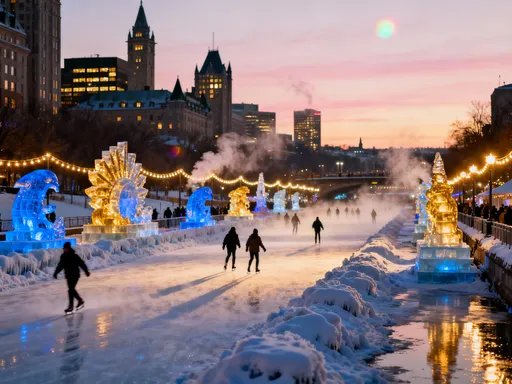
Confederation Park becomes an open-air gallery of ice artistry, where international sculptors spend days carving massive blocks of ice into intricate figures—dragons with frozen scales, castles with spiraling turrets, and wildlife frozen mid-motion. The sculptures are illuminated at night, casting soft, colorful glows across the snow. Visitors walk slowly through the displays, cameras in hand, children marveling at the shimmering details. The air carries the faint scent of wood smoke from nearby fire pits, and the crunch of boots on compacted snow adds to the sensory richness.
Nearby, the Corktown Footbridge is reborn as a tunnel of light during the festival’s Snowflake Kingdom. Thousands of LED lights in blues, purples, and whites create a canopy that mimics a northern winter sky. Families pause here, especially after dark, to take photos or simply stand in awe. Interactive light displays respond to motion, encouraging playful moments as children wave their arms to trigger color shifts and patterns. This zone is particularly popular with younger visitors, offering a safe, enclosed space for winter exploration.
The third and most iconic element of Winterlude is the Rideau Canal Skateway. Stretching 7.8 kilometers through the heart of the city, it becomes the world’s largest naturally frozen skating rink when conditions allow. Vendors line the route, offering hot chocolate, maple taffy on snow, and the quintessential Canadian treat—BeaverTails, fried dough stretched long like a beaver’s tail and topped with cinnamon sugar, chocolate, or fruit compote. Skaters of all ages glide past historic buildings, bridges, and parkland, their breath visible in the cold air.
For those planning a visit, timing is key. Weekday mornings typically offer the lightest crowds and smoothest ice. Dressing in layers is essential—thermal base layers, a windproof outer shell, insulated gloves, and a warm hat. Skates can be rented on-site, but bringing your own ensures a better fit. Families may want to visit during the weekend family programming, which includes snow slides, storytelling, and guided skating tours. While the festival is free to enter, some special events require tickets, so checking the official Winterlude website in advance is recommended.
Ottawa Bluesfest: Where Music Meets the Riverfront
When summer arrives, LeBreton Flats comes alive with the rhythms of Ottawa Bluesfest, one of North America’s most enduring outdoor music festivals. Since its inception in 1994, Bluesfest has evolved from a modest blues showcase into a multi-genre powerhouse, attracting over 300,000 attendees each year. While blues remain in its name and spirit, the festival now features rock, pop, folk, hip-hop, and electronic acts, reflecting the diverse tastes of its audience.
Held along the Ottawa River, Bluesfest offers a striking backdrop of city skyline and water, with stages set against the fading light of summer evenings. The main stage, often headlined by internationally renowned artists, pulses with energy as thousands sing along in unison. Smaller stages provide intimate settings for emerging talent, allowing discovery in a more personal space. The atmosphere is relaxed and inclusive—families spread picnic blankets, friends gather in groups, and solo attendees find easy conversation with fellow music lovers.
One of Bluesfest’s strengths is its accessibility. The site is served by multiple OC Transpo bus routes and a dedicated shuttle from downtown. Entry points are clearly marked, and staff and volunteers are plentiful, offering directions and assistance. Ticket options include single-day passes, weekend bundles, and VIP experiences with premium viewing and lounge access. For families, the festival offers a dedicated youth zone with interactive music activities, face painting, and instrument petting zoos, ensuring younger guests stay engaged.
Food is another highlight, with a rotating selection of local and international vendors. From poutine topped with lobster to vegan falafel bowls and craft beer from Ontario breweries, the culinary offerings reflect Ottawa’s growing food scene. Many attendees arrive early to explore the food stalls before the first act, turning the experience into a full-day outing. Sustainability efforts are visible throughout—compost bins, water refill stations, and reusable cup programs help minimize waste.
Evenings at Bluesfest are particularly memorable. As the sun sets behind the Parliament Buildings, the stage lights ignite, and the music swells. There’s a sense of collective release—a city unwinding after months of work and winter. Whether dancing to a rock anthem or swaying to a soulful ballad, attendees become part of something larger. For many, the spontaneous singalongs or the quiet moment of listening under the stars become the most cherished memories.
Canadian Tulip Festival: A Burst of Color with Royal Roots
Each May, Ottawa erupts in a sea of color as the Canadian Tulip Festival takes root in the city’s parks, most notably Commissioners Park along the Rideau Canal. With over one million tulips in bloom, the festival is the largest of its kind in the world. But beyond its visual splendor, the event carries a profound historical meaning—a living symbol of friendship between Canada and the Netherlands.
The origins trace back to World War II, when Canadian troops helped liberate the Netherlands. In gratitude, Princess Juliana of the Netherlands sent thousands of tulip bulbs to Ottawa in 1945. This gesture grew into an annual tradition, with the Dutch royal family continuing to send a gift of tulips each spring. Today, a special section of the festival, the Liberation Garden, honors this bond with plaques, historical displays, and a ceremonial planting attended by diplomats and veterans.
Walking through Commissioners Park during peak bloom is an immersive experience. Rows of tulips in red, purple, yellow, and white create flowing patterns across the landscape. The air carries a delicate floral scent, especially on warm, still days. Photographers line the pathways, seeking the perfect angle, while families picnic on the grass, children chasing bubbles or flying kites above the flowers. The contrast of vibrant blooms against the calm waters of the canal makes for a serene, almost painterly scene.
The festival also includes live music, art installations, and educational exhibits about tulip cultivation and Dutch-Canadian history. Sustainability is a growing focus—organizers use organic planting methods, avoid chemical pesticides, and encourage visitors to use public transit or bicycles. A ‘Tulip Talks’ series features horticulturists and historians sharing insights on conservation and cultural exchange.
For the best experience, visitors should aim for mid-May, when peak bloom typically occurs. Early mornings offer softer light for photography and fewer crowds. Comfortable walking shoes are recommended, as the park spans several hectares. Nearby, Dow’s Lake Pavilion provides restrooms and a small café, while the Experimental Farm, where many bulbs are grown, offers additional walking trails and botanical displays. The festival is free to attend, though donations support future plantings and educational programs.
Multicultural Festivals: Tasting the World in One Weekend
Ottawa’s cultural diversity is one of its greatest strengths, and its festivals provide a joyful way to experience that richness. Events like the Ottawa Folk Festival, AfroCarib Fest, and the India Day Festival celebrate the traditions of communities from around the globe, offering authentic food, music, dance, and craft in welcoming environments. These gatherings are not tourist attractions—they are heartfelt expressions of identity, shared with pride and openness.
At AfroCarib Fest, held annually in Lansdowne Park, the air pulses with the rhythms of steel drums, reggae, and Afrobeat. Dancers in vibrant costumes move across the stage, while food vendors serve jerk chicken, plantains, and festival favorites like doubles—curried chickpeas wrapped in fried flatbread. Children participate in craft workshops, learning to make traditional masks or beadwork. The atmosphere is warm and communal, with elders greeting friends and newcomers welcomed with smiles.
Similarly, the India Day Festival in July brings the sights and sounds of South Asia to Confederation Park. The scent of cumin and cardamom fills the air as families enjoy butter chicken, samosas, and mango lassi. Cultural performances include classical dance, Bollywood numbers, and youth recitals. Attendees often wear traditional clothing—saris, kurta pajamas, and turbans—adding to the visual richness. Organizers emphasize inclusivity, offering sign language interpreters and accessibility ramps to ensure all can participate.
These festivals are more than entertainment—they are bridges. They allow second- and third-generation Canadians to connect with their heritage, and they invite others to learn in a respectful, joyful way. For a visitor, tasting a samosa at an Indian festival or learning a basic West African drumbeat at a workshop is not just a fun activity; it’s a small act of cultural exchange. Organizers often include informational booths where guests can learn about the history behind the traditions, deepening the experience.
For families, these events are especially valuable. Children absorb cultural awareness through play, music, and food, building empathy from an early age. Many festivals offer interactive zones where kids can try on costumes, learn simple dances, or create art inspired by global traditions. The emphasis is on participation, not performance—everyone is encouraged to join in, regardless of background or skill level.
Off-the-Beaten-Path Gems: Smaller Festivals with Big Character
Beyond the headline festivals, Ottawa thrives on intimate, community-driven events that offer a different kind of magic. These smaller gatherings may not draw hundreds of thousands, but they foster deep connections, creativity, and local pride. They are the quiet heartbeat of the city’s festival culture—places where artists, neighbors, and curious visitors meet on equal ground.
The Parkdale Market Artisan Fest, held every summer at the historic market on Parkdale Avenue, is one such gem. Local potters, jewelers, textile artists, and woodworkers display their handcrafted goods under shaded tents. Unlike large commercial fairs, this event emphasizes sustainability and craftsmanship—many vendors use recycled materials or traditional techniques. Shoppers can watch a ceramicist throw a bowl on a wheel or chat with a weaver about natural dyes. Food trucks offer organic, locally sourced meals, from beetroot hummus wraps to honey-sweetened lemonade.
Another hidden treasure is the Mayfair Music Festival, a neighborhood celebration in the west end of the city. Centered around Mayfair Shopping Centre, the event features live performances by local bands, jazz trios, and youth choirs. Residents bring lawn chairs and blankets, creating an impromptu neighborhood block party. Pop-up performances sometimes happen in backyards or side streets, turning the entire area into an open-air stage. The vibe is relaxed, personal, and full of surprise—a saxophonist playing under a maple tree, a violinist performing a solo at dusk.
These smaller festivals often emerge from community initiatives, supported by local businesses and volunteers. They may last only a weekend or a single day, but their impact lingers. For visitors, they offer a chance to see Ottawa not as a capital city, but as a collection of vibrant neighborhoods, each with its own rhythm and story. They also provide opportunities for meaningful interaction—buying a handmade mug directly from the artist, sharing a laugh with a street performer, or joining a spontaneous dance circle.
While less publicized, these events are well worth seeking out. Local tourism websites and community boards often list dates and locations in advance. Social media pages for neighborhood associations can also provide updates. For travelers looking to experience authentic local life, attending one of these festivals can be more memorable than any guidebook highlight.
Planning Your Festival Journey: Smart Moves for Maximum Joy
Attending Ottawa’s festivals is a rewarding experience, but thoughtful planning ensures comfort, convenience, and enjoyment. Weather in the capital can be unpredictable—sunny mornings may turn into chilly evenings, especially near the river or during early spring and late fall events. Layering clothing is essential: a moisture-wicking base layer, a warm mid-layer like fleece, and a windproof outer shell can adapt to changing conditions. For winter festivals, thermal socks, insulated boots, and hand warmers are practical additions.
Transportation is another key consideration. Ottawa’s public transit system, OC Transpo, is reliable and festival-friendly, with increased service during major events. The O-Train and bus routes connect downtown to festival sites like LeBreton Flats and Lansdowne Park. Using transit reduces stress and parking challenges, especially on busy weekends. For those driving, arriving early or using park-and-ride facilities is advisable. Biking is also popular—many festivals offer secure bike parking, and the city’s expanding network of bike lanes makes cycling a pleasant option.
Accommodations should be booked well in advance, particularly during Bluesfest, Tulip Festival, and Canada Day weekend. Hotels near the downtown core or along the canal fill quickly. Alternatively, staying in neighboring communities like Gatineau or Orleans and commuting in can offer better availability and value. For families or longer stays, vacation rentals provide more space and kitchen facilities, supporting flexible meal planning.
While big events are exciting, balancing them with quieter moments enhances the experience. After a day of crowds and stimulation, a peaceful walk through the Arboretum or a coffee at a neighborhood café can restore energy. Scheduling downtime allows for reflection and deeper appreciation. It also leaves room for spontaneity—the unplanned stop at a street performer, the conversation with a local artist, the discovery of a hidden garden during the Tulip Festival.
Finally, embracing a spirit of openness multiplies the joy. Festivals are about connection—between people, cultures, and seasons. Letting go of rigid schedules, trying a new food, or clapping along to an unfamiliar rhythm can lead to the most authentic memories. Ottawa’s festivals are not performances to be passively watched; they are invitations to participate, to belong, and to feel the city’s pulse in your own chest.
Festivals in Ottawa aren’t just events—they’re invitations to rediscover a city that wears many faces. Whether under summer stars or winter lights, each celebration offers a chance to connect, breathe deeply, and feel alive. Pack your curiosity. The capital is waiting to surprise you.