Wandering Through Aarhus: Where Nature Meets Nordic Soul
You know that feeling when you stumble upon a place that’s not on every travel list, but it just gets you? Aarhus, Denmark, hit me like that. I went expecting a quiet university town, but found wild cliffs, whispering forests, and coastlines that look like they’re from another planet. This isn’t just a city—it’s a gateway to raw, untouched nature. From the moment I stepped off the train, the air carried a crisp, green freshness, as if the city itself exhaled forest and sea. With its seamless blend of urban comfort and immediate access to breathtaking landscapes, Aarhus offers a rare kind of journey—one where every path leads not just to a view, but to a quiet moment of clarity. Let me take you through the trails, views, and stillness that made my wander here unforgettable.
First Impressions: A City That Breathes Nature
Aarhus greets visitors not with towering skyscrapers or bustling traffic, but with wide bike lanes, tree-lined boulevards, and an unmistakable sense of calm. As Denmark’s second-largest city, it could easily feel crowded or impersonal, yet it maintains an intimate relationship with the natural world. More than half of Aarhus is covered in green spaces, parks, and protected coastlines, making it one of Europe’s most sustainable urban centers. The city’s planning reflects a deep cultural value: nature is not an escape from life, but an essential part of it. Residents don’t just visit parks—they live alongside them, commuting by bicycle through forests and gathering by the sea on weekends.
This harmony between city and countryside becomes clear the moment you arrive. Stepping off the train at Aarhus Central Station, I was drawn not toward the city center, but southward, toward the faint scent of pine and salt carried on the breeze. Within minutes, I was walking through leafy neighborhoods where back gardens opened directly onto woodland trails. There’s a rhythm here, a quiet pulse that syncs with the seasons. In spring, cherry blossoms drift along footpaths; in autumn, golden beech leaves blanket the ground. Even in winter, when daylight is scarce, the city glows with hygge—soft lights in windows, steaming cups held close, and the knowledge that just beyond the pavement, the forest waits.
What struck me most was how effortlessly the urban and natural worlds coexist. Unlike cities where green spaces are carefully manicured and isolated, Aarhus allows nature to flow into the city and vice versa. The Bay of Aarhus laps at the edge of residential areas, and forests like Riis Skov and Moesgaard stretch right up to the suburbs. This integration isn’t accidental—it’s the result of decades of thoughtful urban planning and strong public support for environmental preservation. Local initiatives protect coastal habitats, maintain hiking trails, and promote car-free zones, ensuring that future generations inherit not just a city, but a living landscape.
Moesgaard Forest and the Bay of Aarhus: A Perfect Starting Point
Just south of the city center, Moesgaard Forest unfolds like a green embrace. This expansive woodland, part of the larger Moesgaard Manor estate, offers over 15 kilometers of well-marked trails winding through ancient beech trees, open meadows, and down to the sandy shores of the Bay of Aarhus. It’s a favorite among locals for morning jogs, family picnics, and quiet contemplation. I began my walk at the Moesgaard Museum, where the architecture itself blends into the hillside, and followed a path that gradually descended into dappled sunlight beneath towering canopies.
The forest floor is soft with moss and fallen leaves, and in late spring, bluebells bloom in scattered patches, painting the understory in delicate hues. As I walked, I noticed how the sounds shifted—the hum of the city faded, replaced by birdsong and the rustle of small animals in the underbrush. The trail eventually opens onto a wide, windswept beach where the Baltic Sea meets the bay. Here, the landscape transforms from sheltered woodland to open coastline, where waves roll in with a steady hush and gulls wheel overhead.
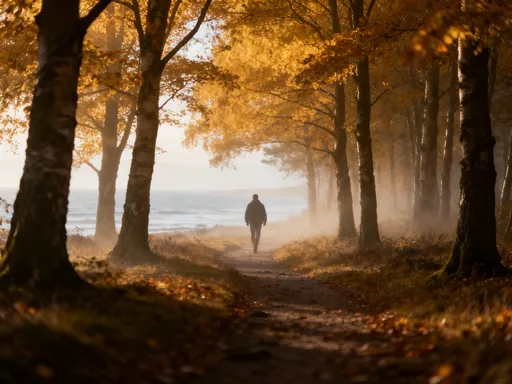
What makes this stretch so special is its duality. In summer, the beach comes alive with swimmers, paddleboarders, and children building sandcastles. The water is cool but inviting, and families spread out on towels, enjoying the long daylight hours. By contrast, autumn brings a more introspective mood. I visited in October, when fog crept in from the sea, blurring the line between water and sky. The beach was nearly empty, and the only footprints were mine. It was in that quiet moment, standing at the edge of the bay, that I felt a deep sense of peace—nature not as spectacle, but as sanctuary.
For visitors, Moesgaard offers an ideal introduction to Aarhus’ natural character. It’s accessible by city bus or bike, requires no special equipment, and welcomes all seasons. Whether you’re seeking activity or stillness, the forest and bay provide both. And because it’s so close to the city, you can return to a cozy café or museum exhibit within minutes, blending cultural enrichment with outdoor immersion.
The Cliffs of Mols Bjerge: Denmark’s Quiet Mountain Range
About an hour’s drive northeast of Aarhus lies Mols Bjerge National Park, Denmark’s first inland national park and a landscape unlike any other in the country. While Denmark is famously flat, this region rises gently into rolling hills and dramatic cliffs that plunge toward the sea. The highest point, Agri Baunehøj, reaches just 137 meters, but the sensation of elevation—of standing atop a windswept ridge with panoramic views—feels monumental. This is where the Ice Age left its mark, carving fjords, depositing boulders, and shaping a terrain that feels both ancient and alive.
Hiking through Mols Bjerge is like walking through a living geology lesson. The park’s trails follow ridgelines that offer sweeping vistas of the Kattegat Sea, farmland patchworks, and scattered woodlands. One of the most popular routes, the Coastal Path from Liselund to Ebeltoft, takes you from forested slopes down to rocky shores where waves crash against glacial erratics—massive stones left behind by retreating ice sheets. Along the way, interpretive signs explain how the landscape was formed, making the experience both scenic and educational.
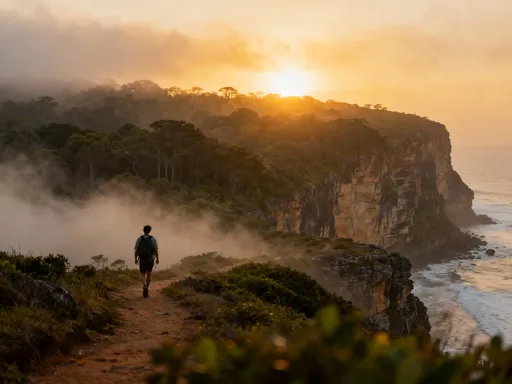
But beyond the science, there’s a profound emotional resonance to this place. On a clear morning, I hiked the Stabelhøje trail, where two Bronze Age burial mounds sit atop a ridge. As the sun rose, painting the sky in soft pinks and golds, I stood between these ancient markers, feeling the weight of time. Farmers once walked these same hills; Vikings sailed past these shores. The land holds memory in its contours, and to walk here is to become part of a long, quiet story.
What makes Mols Bjerge truly special is its accessibility. Unlike remote wilderness areas, this national park is easy to reach by car or regional bus, and its well-maintained trails are suitable for hikers of all levels. Families picnic near the visitor center, cyclists glide along country roads, and birdwatchers scan the skies for buzzards and kestrels. Yet despite its popularity, the park never feels crowded. There’s always a quiet path, a hidden cove, a moment of solitude just around the bend.
Hidden Coastal Gems: Between Hornslet and Den Permanente
While Mols Bjerge draws attention for its elevation, the northern coastline near Aarhus offers a different kind of magic—one defined by stillness, wetlands, and subtle beauty. Stretching from the village of Hornslet to the art installation Den Permanente, this lesser-known stretch of shore is a haven for those seeking quiet reflection. Unlike the bustling beaches of the south, these northern paths wind through reed beds, tidal flats, and grassy dunes, where the rhythm of the tides dictates the pace of life.
I walked this route on a misty morning, the kind where the horizon disappears and the world feels hushed. The trail follows the coastline, occasionally veering inland through small woodlands before returning to open views of the bay. Along the way, I spotted herons stalking fish in shallow pools, seals bobbing in the distance, and flocks of migratory birds—terns, lapwings, and curlews—resting on their long journeys. The area is part of a protected wetland system, and conservation efforts have ensured that these habitats remain undisturbed.
What surprised me most was how remote it felt, despite being less than 20 kilometers from the city. There are no crowds, no cafes, no souvenir shops—just the sound of wind and water. At Den Permanente, a series of 17 concrete monoliths placed along the shore by artist Jeppe Hein, the landscape becomes part of the art. As the tide shifts, the pillars appear to float or sink, creating a dynamic, ever-changing installation. It’s a fitting metaphor for this region: nature and human creativity coexisting in quiet dialogue.
For visitors, this area offers a chance to slow down and observe. Bring binoculars, a notebook, or simply your presence. There’s no need to rush. The beauty here is in the details—a dragonfly skimming the surface of a pond, the pattern of footprints in the mud, the way light filters through fog. It’s a reminder that not all travel must be about grand vistas or adrenaline; sometimes, the most meaningful experiences are the quiet ones.
Aarhus’ Green Heart: Riis Skov and the Forest Bathing Effect
Back within the city limits, Riis Skov stands as Aarhus’ green heart—a beloved beech forest that has welcomed generations of residents and visitors. Located just a few kilometers from the city center, this 80-hectare woodland is a sanctuary for walking, running, and simply being. Locals refer to it as their “forest bath,” echoing the Japanese concept of *shinrin-yoku*, though here it’s known more informally as *friluftsliv*—a Danish term that translates roughly to “free air life.” It’s not just about exercise; it’s about reconnecting with nature as a form of mental and emotional restoration.
I visited Riis Skov early one morning, when dew still clung to the leaves and the forest was bathed in soft, golden light. The air was cool and clean, scented with damp earth and pine. A network of trails crisscrosses the woods, some wide and gravelled, others narrow and winding through thickets. I followed a path that led to a small clearing where wooden benches faced a quiet pond. An elderly couple sat quietly, sipping coffee from thermoses. A woman practiced tai chi near the water’s edge. No one spoke much. The forest encouraged stillness.
This kind of slow, mindful engagement with nature is deeply embedded in Danish culture. Parents bring children here to learn about trees and birds; students come to study under the canopy; retirees walk the same paths year after year. The city supports this connection with well-maintained trails, informational signs, and seasonal events like guided nature walks and mushroom foraging tours. Even in winter, when snow muffles the sounds of the city, the forest remains a place of solace.
What makes Riis Skov so powerful is its accessibility and consistency. You don’t need a car or special gear—just a willingness to step away from screens and schedules. In a world that often feels rushed and fragmented, this forest offers a simple antidote: presence. To walk here is to remember that you are part of a larger, living world—one that doesn’t demand anything of you, except that you pay attention.
Practical Magic: How to Wander Aarhus Like a Local
Exploring Aarhus’ natural spaces doesn’t require elaborate planning, but a few practical tips can enhance the experience. The city is exceptionally bike-friendly, with an extensive network of cycling paths that connect neighborhoods, parks, and coastal areas. Renting a bicycle is one of the best ways to cover ground efficiently while staying immersed in the surroundings. Local bike-share programs and rental shops make it easy to get started, and many trails, including those in Moesgaard and Riis Skov, are fully accessible to cyclists.
For those who prefer public transit, Aarhus’ bus system is reliable and eco-conscious, with electric buses serving key routes to natural attractions. The number 18 bus, for example, runs directly to Moesgaard Museum and forest, while regional buses connect to Mols Bjerge and the northern coast. Timetables are clearly posted, and real-time tracking is available through the Midttrafik app, making navigation straightforward even for first-time visitors.
When it comes to what to pack, preparation is key. Danish weather is famously changeable, so layering is essential. A waterproof jacket, breathable base layers, and sturdy walking shoes are must-haves. Even in summer, temperatures can dip, especially near the coast, so a warm hat and gloves are wise. Don’t forget a thermos—Danes are devoted to their coffee and tea, and there’s something deeply comforting about pausing on a trail to sip a hot drink while watching the light shift over the water.
Timing your visit can also make a difference. While summer offers long days and warmer weather, the shoulder seasons—May and September—are often ideal. Crowds are smaller, the light is softer, and the landscapes feel more intimate. Autumn, in particular, transforms the forests into a tapestry of gold and crimson, while spring brings blooming wildflowers and returning birds. Winter, though short on daylight, offers its own quiet beauty—frosted trees, icy inlets, and the chance to experience *hygge* in its purest form: warmth, light, and stillness.
Why This Kind of Travel Stays With You
In an age of curated itineraries and Instagram checklists, wandering through Aarhus feels like a quiet rebellion. There are no forced photo ops, no timed entries, no need to rush from one attraction to the next. Instead, there is space—space to walk without purpose, to pause without guilt, to listen to the wind in the trees or the lap of waves on the shore. This kind of travel doesn’t just show you a place; it allows you to feel it.
The memories that linger are not the grandest views, but the smallest moments: the way sunlight filtered through beech leaves, the sound of a distant cowbell in the hills, the warmth of a thermos in cold hands. These are the experiences that settle into your bones, that resurface in quiet moments back home. They remind you that beauty doesn’t have to be loud or dramatic to be profound.
There’s also an emotional depth to this kind of journey. In the stillness of the forest or on an empty beach, it’s easier to hear your own thoughts, to process what matters. Nature, in its constancy and simplicity, offers a mirror—not of who we think we should be, but of who we are beneath the noise. Aarhus, with its seamless blend of city and wild, makes this reflection possible without requiring you to travel far from comfort.
So if you’re looking for a destination that offers more than sights—if you’re ready to let a place surprise you, to move you in ways you can’t predict—let Aarhus be your next step. You don’t need a detailed plan. You don’t need to speak the language. You just need to start walking. Follow a trail, breathe the air, and allow yourself to be present. Because sometimes, the most unforgettable journeys are the ones that don’t lead you to a destination, but back to yourself.