You Won’t Believe These Hidden Festival Photo Spots in Asunción
If you think Asunción is just a quiet capital with colonial charm, think again. During festival season, this vibrant city bursts into color, rhythm, and raw cultural energy. I wandered through streets alive with music, dance, and traditional dress, camera in hand, and discovered photo opportunities that no guidebook warned me about. From golden-hour parades to spontaneous street performances, Asunción’s festivals offer unforgettable moments—perfect for authentic, show-stopping shots. These are not staged tourist spectacles but real expressions of national pride, where generations gather to honor heritage through music, food, and movement. Capturing these moments requires more than a good lens; it demands timing, respect, and an eye for the unseen. This guide reveals the soul of Paraguay through its most photogenic celebrations—and how to document them with authenticity and grace.
The Pulse of Paraguay: Why Festivals Define Asunción’s Soul
Asunción, the capital of Paraguay, may appear tranquil at first glance, with its tree-lined boulevards and colonial-era buildings standing quietly beneath the subtropical sun. But when festivals arrive, the city transforms into a living canvas of cultural expression. These events are not mere entertainment—they are vital threads in the nation’s identity, weaving together centuries of Guaraní tradition and Spanish influence. The heartbeat of Paraguay can be felt most clearly during public celebrations, where music, dance, and communal rituals reflect a deep-rooted sense of belonging. For photographers, these moments offer rare access to unscripted human emotion: joy in shared songs, pride in ancestral costumes, and unity in collective movement. Unlike curated museum displays, festival life unfolds organically, offering dynamic scenes that shift by the minute and glow with authenticity.
What makes Asunción’s festivals especially compelling is their fusion of indigenous and European elements. Guaraní, one of the country’s official languages, is spoken widely during ceremonies and sung in traditional tunes like the *guaranía* and *polka paraguaya*. These musical forms, often accompanied by the haunting melodies of the *arpa paraguaya* (Paraguayan harp), carry stories of love, resistance, and daily life. Festival costumes, too, reveal this blend—women in flowing *ao po’i* dresses embroidered with delicate lace, men in wide-brimmed hats and ponchos, all rooted in rural traditions yet proudly displayed in urban settings. This cultural synthesis isn’t performative; it’s a lived reality, especially during national holidays like Día de la Independencia on May 14 and 15, when the entire city seems to step into a shared rhythm.
For the visiting photographer, understanding this context enhances both the depth and ethics of image-making. These are not exotic curiosities but expressions of identity and continuity. The most powerful photos emerge not from distance but from immersion—capturing the way an elder’s hands move while tuning a harp, or how children mimic dancers with unfiltered delight. Because these festivals are community-centered, they unfold in public plazas, neighborhood streets, and riverside parks rather than enclosed venues, allowing for intimate yet respectful observation. When approached with humility, festival photography becomes a form of cultural preservation, documenting traditions that thrive through participation, not performance.
Carnaval in the Streets: Where Color Comes Alive
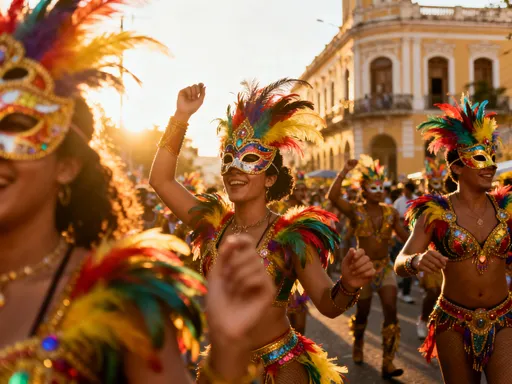
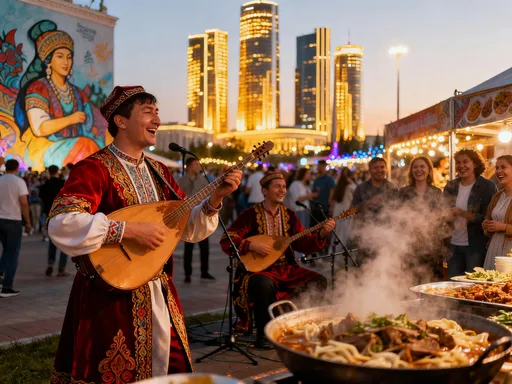
Carnaval in Asunción is not a single event but a season of celebration, most vibrant in the weeks leading up to Lent. Unlike the grand, commercialized carnivals of Rio or New Orleans, Asunción’s version thrives on neighborhood energy. The true magic happens in the *verbenas*—local street parties organized by community groups, schools, or cultural associations. These gatherings fill side streets with music, laughter, and an explosion of color. Strings of lights crisscross above, speakers blast upbeat polkas, and dancers in elaborate costumes swirl through the crowd. For photographers, this is visual gold: a constantly shifting tableau of motion, expression, and texture. The key is not to chase perfection but to embrace spontaneity—because the best shots often come from unplanned interactions.
One of the most photogenic aspects of Carnaval is the handmade artistry of the costumes. Masks are often painted by hand, featuring bold geometric patterns or whimsical animal faces. Feathers, sequins, and ribbons adorn headpieces, catching the light with every turn. Children, dressed as mini versions of adult performers, run through the streets with confetti cannons, their faces lit with pure excitement. These unguarded moments—of a girl adjusting her crown, a boy mid-laugh as he’s sprayed with glitter—are the essence of festival photography. To capture them, move slowly and stay observant. Use a zoom lens to maintain distance when needed, but don’t shy away from closer interactions when invited. Many locals welcome respectful photographers, especially if you smile, nod, or offer a quiet compliment in Spanish or Guaraní.
Timing is crucial. Arrive early in the afternoon to document the preparation phase—vendors setting up food stalls, dancers applying makeup, musicians tuning instruments. This behind-the-scenes activity offers quieter, more intimate compositions. As the sun begins to dip, head to Avenida República de Colombia, where several verbenas converge. The golden hour here is extraordinary: warm, directional light bathes the facades of old buildings, casting long shadows and enhancing the vibrancy of costumes. Use this time to experiment with silhouettes, backlit figures, and reflections on wet pavement after a brief summer rain. The combination of natural light and urban texture creates a cinematic quality that digital filters can’t replicate. By nightfall, the streetlights and neon signs take over, adding a different energy—electric, pulsing, alive. This transition from daylight to darkness offers a full spectrum of photographic possibilities within a single evening.
Plaza O’Leary at Dusk: History Meets Celebration
At the heart of Asunción’s festival calendar stands Plaza O’Leary, a historic square that becomes a cultural epicenter during national holidays. Named after Daniel O’Leary, an Irish aide to Simón Bolívar, the plaza features a neoclassical monument surrounded by palm trees and shaded walkways. During Día de la Independencia and other major events, it transforms into a stage for traditional dance troupes, folk musicians, and civic processions. The contrast between the solemn architecture and the lively celebrations creates a powerful visual narrative—one of continuity between past and present. For photographers, this setting offers a rare blend of symmetry, history, and human energy, all within a compact, easily navigable space.
The real photographic highlight comes at dusk, when the Palacio de los López—Paraguay’s presidential palace—begins to illuminate across the street. Its pale façade glows under soft golden lighting, reflecting in the waters of the Paraguay River. Against this backdrop, dancers in traditional attire perform the *danza paraguaya*, their movements graceful and synchronized. The combination of flowing skirts, rhythmic footwork, and the palace’s grandeur creates a scene that feels both timeless and immediate. To capture it effectively, position yourself on the west side of the plaza, facing east toward the palace. Use a tripod if possible, especially as light fades, to avoid motion blur. A mid-range aperture (f/5.6 to f/8) ensures both the dancers and the background remain sharp, while a slightly slower shutter speed can convey movement in the fabric of their costumes.
Crowds tend to gather as performances begin, so arriving at least 45 minutes before sunset is advisable. This early arrival allows time to scout angles, test exposure settings, and interact with performers if desired. Many dance groups welcome photos, especially if taken from a respectful distance. Avoid using flash, which can be disruptive and wash out the natural tones of the scene. Instead, rely on ambient light and higher ISO settings if necessary. The interplay of shadow and illumination during twilight creates depth and mood, turning a simple dance performance into a dramatic visual story. Beyond the main stage, don’t overlook the audience—the grandparents clapping along, the children perched on shoulders, the couples swaying to the music. These secondary moments often carry as much emotional weight as the performance itself.
The Secret Behind San Blas Neighborhood’s Street Art & Music
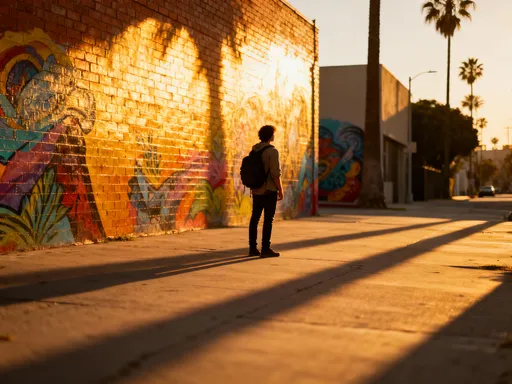
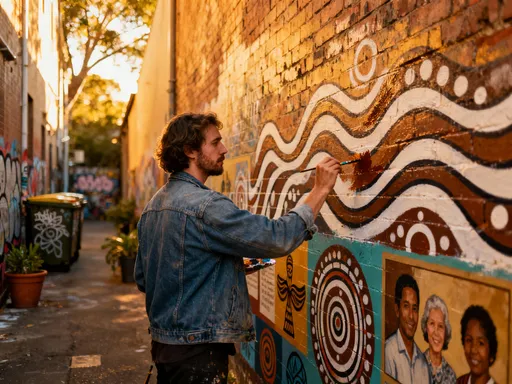
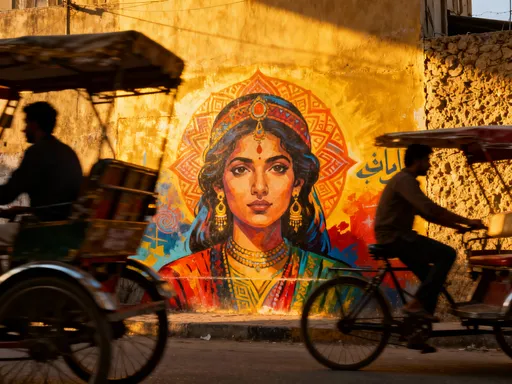
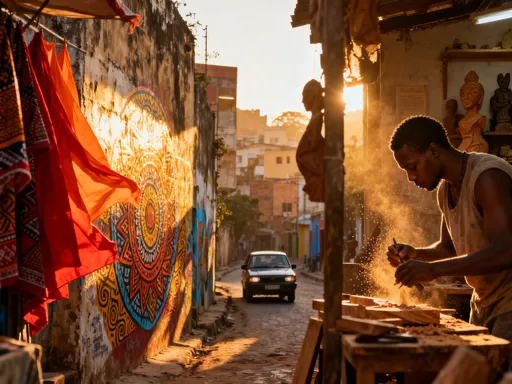
Just a short walk from the city center, the San Blas neighborhood has emerged as a hub of creative expression, especially during cultural festivals. Once an overlooked residential area, it now pulses with murals, pop-up galleries, and impromptu music sessions. Local artists have transformed blank walls into vibrant canvases that blend Guaraní cosmology, historical figures, and contemporary social themes. During festival seasons, these artworks are often enhanced with temporary installations—paper lanterns, fabric banners, or light projections—that add another layer of visual interest. For photographers, San Blas offers a quieter, more contemplative alternative to the city’s larger events, with opportunities for both wide-angle compositions and intimate close-ups.
The alleys of San Blas come alive with sound during celebrations. Musicians gather in courtyards or under archways, playing instruments like the *bombo legüero* (a large drum) and the *siku* (Andean pan flute), creating rhythms that echo off the stone walls. These sessions are rarely advertised—they happen organically, sparked by a shared love of tradition and improvisation. Capturing these moments requires patience and a low profile. A 35mm or 50mm prime lens works well for environmental portraits, allowing you to include both the musician and their surroundings. Look for contrasts: the weathered texture of a brick wall against a brightly painted mural, or the focused expression of a player’s face lit by a single overhead bulb. Because these scenes unfold in tight spaces, wide-angle lenses can exaggerate perspective in compelling ways, drawing the viewer into the heart of the moment.
One of the best vantage points in San Blas is a small café on Calle Eligio Ayala, where you can sit with a drink and observe the street without intrusion. From here, you might witness a group of teenagers practicing a folk dance, a muralist adding final touches to a festival-themed piece, or an elder teaching a child to play a simple tune on a wooden flute. These interactions are subtle but rich with cultural meaning. When photographing people in such intimate settings, always ask permission with a smile or a gesture. Most locals appreciate the interest and may even invite you to join. The goal is not to extract images but to participate in the shared experience of creativity. In San Blas, photography becomes a bridge—between visitor and resident, past and present, silence and song.
Filming the Feast: Gastronomy as Festival Performance
In Asunción, food is never just sustenance—it is celebration, memory, and connection. During festivals, the act of eating becomes a public performance, rich with visual and emotional detail. Street vendors fire up grills to prepare *chipa*, the iconic cheese bread made with cassava flour and anise. The scent drifts through the air, mingling with the sound of music and laughter. Families gather around picnic tables, sharing *tereré*—a cold herbal infusion—through a shared metal straw called a *bombilla*. These rituals, repeated across generations, are as photogenic as any parade or dance. They reveal the warmth of Paraguayan hospitality and the centrality of food in communal life.
To photograph festival food effectively, focus on hands and gestures. A vendor’s hands shaping chipa dough, a grandmother pouring tereré into a gourd, a child eagerly accepting a freshly grilled sausage—these actions tell stories without words. Use a macro lens to capture textures: the crackled crust of bread, the condensation on a metal cup, the steam rising from a hot grill. Backlighting can enhance these details, creating a halo effect around food and drink. Wide-angle shots are equally important, showing the full context of communal meals. During events like the Festival del Río, long tables stretch along the riverbank, laden with *sopa paraguaya*, *mbejú*, and fresh fruit. These scenes radiate abundance and togetherness, perfect for storytelling compositions.
Photographing food also means engaging with the people who prepare and share it. Many vendors are happy to pose briefly if asked politely. A simple '¿Puedo tomar una foto?' (Can I take a photo?) accompanied by a friendly demeanor often leads to a warm response. Some may even offer a sample, deepening the connection between image and experience. Avoid shooting from above only—this 'flat lay' style, while popular, can feel detached. Instead, shoot at eye level to emphasize humanity. Include faces, laughter, and interaction. A photo of a meal is good; a photo of people enjoying a meal together is unforgettable. In Asunción, every bite is part of a larger story—one of resilience, tradition, and joy.
Timing & Access: Navigating Festival Logistics Like a Local
Even the most experienced travelers can feel overwhelmed during festival season in Asunción. Events are numerous, schedules can shift, and transportation becomes more complex. To make the most of your photography, planning is essential. Begin by checking the official calendar from the Municipalidad de Asunción or the Ministerio de Turismo. Major festivals like Carnaval and Independence Day are well-documented, but neighborhood verbenas may only be announced locally. Following community cultural groups on social media can provide real-time updates. Arriving early not only secures better vantage points but also allows time to acclimate to the environment, test camera settings, and build rapport with locals.
Transportation during peak times requires flexibility. Public buses remain the most economical option, but they can be crowded. Taxis and ride-sharing services are widely available and generally safe, though fares may rise during high-demand periods. If moving between distant locations, consider renting a bicycle—Asunción has expanded its bike lane network, and cycling offers a quiet, immersive way to explore. When carrying photography gear, use a discreet, padded bag to avoid drawing attention. Keep essentials—extra batteries, memory cards, lens cloths—within easy reach. Weather is another factor; the subtropical climate means sudden afternoon showers. A lightweight rain cover for your camera and a quick-dry jacket are wise investments.
Cultural sensitivity is just as important as technical preparation. Many festivals have religious or patriotic significance, so dress modestly and behave respectfully. Avoid obstructing processions or performances. Most importantly, always ask before photographing individuals, especially children and elders. A smile and a simple request go a long way. Never use drones without explicit permission—Paraguayan aviation regulations are strict, and unauthorized flights can result in fines or confiscation. By following local norms, you not only avoid conflict but also open doors to deeper connections. The best photos often come after a conversation, a shared moment, a mutual recognition of respect.
Beyond the Lens: Why These Moments Matter
Festival photography in Asunción is about more than collecting images—it’s about bearing witness to a living culture. Each photo captures a fragment of joy, tradition, and community that might otherwise go unnoticed by the outside world. These celebrations are not preserved in glass cases but passed down through song, dance, and shared meals. When you raise your camera, you’re not just a spectator; you’re a participant in a global act of cultural preservation. The images you create can inspire others to travel with curiosity, to listen before they shoot, to value authenticity over spectacle.
But the true reward lies beyond the viewfinder. Put the camera down sometimes. Learn a few steps of the polka. Taste a piece of warm chipa straight from the grill. Share a smile with a child in a feathered mask. These small acts of connection transform a tourist into a guest, a visitor into a friend. Asunción’s beauty isn’t found only in its plazas or palaces—it lives in the laughter of a grandmother dancing with her granddaughter, in the calloused hands of a harpist tuning his strings, in the shared silence of a community watching fireworks light up the river. These are the moments that stay with you long after the memory cards are full.
So when you return home, don’t just post your photos—tell the stories behind them. Explain what you learned, whom you met, how you were welcomed. Let your images be invitations, not trophies. Because in the end, the most powerful photograph is not the one that wins a contest, but the one that opens a heart. Asunción’s festivals remind us that culture is not something to be consumed—it is something to be lived. And when we honor it with presence, patience, and respect, we don’t just capture beauty—we become part of it.