You Won’t Believe These Hidden Cultural Gems in Adelaide
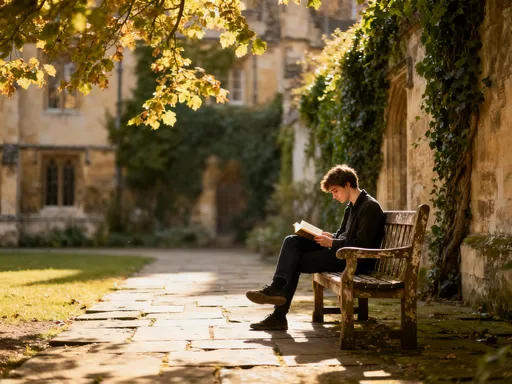
Adelaide isn’t just about wine and festivals—there’s a deeper, quieter magic hidden in plain sight. I stumbled upon local art trails, Indigenous storytelling circles, and century-old workshops that most tourists completely miss. This city pulses with culture in ways you’d never expect. If you’re craving authentic experiences beyond the guidebooks, let me show you the Adelaide only locals truly know.
The Soul of Adelaide: Why Culture Hides in Plain Sight
Adelaide often slips beneath the radar of international travelers drawn to Sydney’s skyline or Melbourne’s laneway buzz. Yet, this unassuming capital of South Australia holds a cultural richness that thrives precisely because it isn’t overwhelmed by mass tourism. Its compact size and unhurried rhythm create space for traditions to breathe, evolve, and remain accessible. Unlike larger cities where heritage can be packaged for consumption, Adelaide’s culture lives in the everyday—the quiet rituals, neighborhood gatherings, and community-led initiatives that unfold without fanfare.
One of the city’s most significant yet underappreciated distinctions is its designation as a UNESCO City of Music. This title isn’t merely ceremonial; it reflects a deep-rooted musical identity that permeates public spaces, education, and local pride. From buskers in Victoria Square to intimate jazz sets in converted warehouses, music in Adelaide is less about performance and more about presence. It’s woven into the city’s social fabric, supported by institutions like the Elder Conservatorium and grassroots collectives that nurture emerging talent across genres.
Yet, many visitors miss these subtler expressions of culture. Mainstream travel marketing often highlights major festivals like the Adelaide Festival or Fringe, which, while impressive, represent only one facet of the city’s creative life. These large-scale events draw crowds and media attention, but they can overshadow the quieter, more enduring cultural practices that happen year-round. The risk is that travelers experience the spectacle without connecting to the soul. To truly understand Adelaide, one must look beyond the calendar and into the neighborhoods where culture isn’t staged—it’s lived.
The city’s relative modesty becomes an asset for the curious traveler. Without the pressure of constant tourism, locals are often more open to sharing their world. A conversation at a neighborhood café might lead to an invitation to a community art opening. A walk through a suburban park could reveal a Kaurna naming ceremony or a pop-up poetry reading. These moments aren’t curated for visitors—they’re genuine expressions of community life, and they offer a far more intimate understanding of what makes Adelaide unique.
Art Where You Least Expect It: Street Murals and Independent Galleries
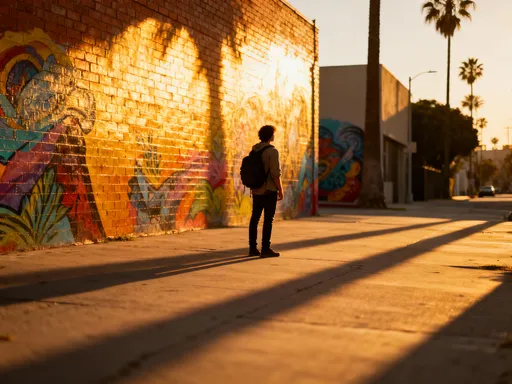
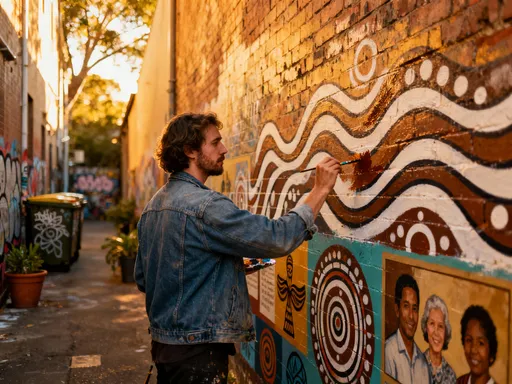
While Rundle Mall and North Terrace house Adelaide’s more visible art institutions, the city’s true creative pulse beats strongest in its laneways and side streets. Here, street art isn’t just decoration—it’s storytelling. Topham Mall, once an overlooked passage between Gouger and Grote Streets, has transformed into a rotating canvas for local and visiting artists. Murals here often reflect themes of identity, migration, and connection to Country, with many pieces incorporating Kaurna symbols and language as a gesture of respect and collaboration.
Light Square, or Warri Yalda Parri in Kaurna, is another vibrant hub where art and heritage intersect. The square features contemporary installations alongside public artworks that honor the site’s significance as a traditional meeting place. Artists frequently work in partnership with Kaurna elders to ensure cultural accuracy and sensitivity, creating pieces that educate as much as they inspire. These collaborations exemplify how public art in Adelaide can serve both aesthetic and communal purposes, fostering dialogue between cultures and generations.
Beyond the streets, independent galleries offer a platform for emerging Australian voices often absent from larger institutions. ACE Open, located in the historic Lion Arts Centre, champions experimental and interdisciplinary work, with a strong focus on First Nations and diverse cultural perspectives. Exhibitions here are thoughtfully curated, often accompanied by artist talks and workshops that deepen visitor engagement. Similarly, Flinders Street Studios provides studio space and exhibition opportunities for early-career artists, many of whom explore themes of place, memory, and belonging.
For travelers interested in experiencing this scene firsthand, timing and approach matter. Weekday afternoons tend to be quieter, allowing for more contemplative viewing. Guided walking tours, such as those offered by Street Art Walking Tours Adelaide, provide context and behind-the-scenes insights into the creation process. When photographing public art, it’s respectful to acknowledge the artist if credited and avoid obstructing foot traffic. Most importantly, take time to read the plaques and descriptions—many murals carry layered meanings that unfold only with patient observation.
Living Traditions: Experiencing Kaurna Culture Firsthand
The Kaurna people are the Traditional Owners of the Adelaide Plains, with a continuous connection to this land stretching back tens of thousands of years. Today, their culture is not a relic of the past but a living, evolving presence in the city. For visitors seeking meaningful engagement, several authentic experiences offer insight into Kaurna heritage, values, and ongoing contributions to the community.
One of the most immersive opportunities is a guided walk at Warriparinga Wetlands, located in the southern suburb of Bedford Park. Managed in partnership with the Kaurna Yerta Aboriginal Corporation, this site serves as both a natural sanctuary and a cultural education space. Walks are led by Kaurna knowledge holders who share stories of creation, plant use, and seasonal cycles. Participants learn about Tjukurpa—the Dreaming—and how it informs Kaurna relationships with land, water, and community. The experience often includes traditional song and opportunities to observe land restoration efforts, such as native planting and weed removal.
Language is another vital thread of cultural continuity. Several organizations, including the Kaurna Warra Pintyanthi group at the University of Adelaide, offer introductory workshops in the Kaurna language. These sessions, while brief, provide a powerful sense of connection. Learning to say “Yarta tampendi” (thank you for the land) or “Pari yarta” (welcome to country) becomes more than a phrase—it’s an act of recognition and respect. Some cultural events, such as NAIDOC Week celebrations, incorporate language displays, storytelling sessions, and interactive activities suitable for families.
When attending Welcome to Country ceremonies or cultural performances, it’s essential to approach with humility and attentiveness. These are not performances for entertainment but sacred acknowledgments of custodianship and history. Visitors should follow the lead of the hosts, refrain from recording without permission, and listen deeply. Choosing experiences that are Kaurna-led ensures that cultural knowledge is shared on the community’s terms, supporting self-determination and economic empowerment.
Respectful engagement also means understanding that not all aspects of Kaurna culture are meant for public sharing. Certain stories, songs, and ceremonies are restricted to initiated members and must not be sought out or disseminated. The goal is not to extract knowledge but to build awareness and appreciation. By supporting Kaurna-led initiatives, travelers contribute to the preservation and revitalization of a culture that is rightfully central to Adelaide’s identity.
Crafted by Hand: Hidden Workshops and Artisan Studios
In an age of mass production, Adelaide harbors pockets of quiet resistance—artisans who dedicate their lives to handcrafting objects with care, skill, and intention. These makers are not just preserving techniques; they are sustaining cultural memory through touch, fire, and patience. From glassblowing to bookbinding, their studios offer a counterpoint to the fast pace of modern travel, inviting visitors to slow down and witness creation in real time.
In the Adelaide Hills, the town of Lobethal is home to a small but renowned glassblowing studio where artisans shape molten glass into vases, ornaments, and sculptures. The process is mesmerizing—observers can watch as glowing orbs are gathered from the furnace, blown, and shaped with precision tools. Each piece carries subtle variations, a testament to the human hand behind it. While the studio occasionally offers short workshops for visitors, even a guided viewing provides insight into the discipline and artistry required. The designs often draw inspiration from the surrounding landscape—eucalyptus forms, river curves, and seasonal light.
Further north in Stirling, a ceramicist works in a sunlit studio tucked behind a heritage cottage. Her pottery blends Japanese wabi-sabi principles with Australian botanical motifs, creating pieces that feel both timeless and distinctly local. She sources clay from regional deposits and uses wood-fired kilns to achieve unique glazes and textures. Visitors can book studio tours by appointment, during which she explains her process and the philosophy behind her work. Many of her customers return not just for the pottery but for the sense of calm the space evokes.
Back in the eastern suburbs, a bookbinder continues a centuries-old craft, restoring antique volumes and creating custom journals by hand. His workshop, lined with leather samples, brass tools, and stacks of handmade paper, feels like a portal to another era. The sound of a bone folder smoothing a spine or the scent of glue and vellum adds to the sensory experience. He occasionally hosts small workshops where participants learn basic binding techniques, gaining appreciation for the precision involved.
For those wishing to explore these studios, a self-drive trail can be easily planned. Starting in Lobethal, then heading to Stirling via the scenic Mount Barker Road, and concluding in the eastern suburbs offers a rewarding day trip. Most studios operate on appointment-only bases, so advance booking is essential. Opening hours are often limited, reflecting the demands of the craft. Travelers should approach these visits not as quick photo stops but as opportunities to engage, ask questions, and support artisans directly by purchasing their work or making donations.
Beyond the Main Stage: Intimate Music and Performance Venues
While the Adelaide Festival Centre draws big names and large audiences, the city’s musical soul resonates more deeply in smaller, more intimate spaces. These venues—often repurposed buildings with worn wooden floors and warm acoustics—host performances that feel personal, spontaneous, and deeply connected to the community. It is here that the UNESCO City of Music designation comes alive, not as a label but as a lived reality.
The Mercury Cinema in the West End is one such place. By day, it screens independent and international films; by night, its screening room transforms into a performance space for acoustic sets, folk ensembles, and spoken word events. The atmosphere is relaxed, with audience members often just feet from the performers. The programming emphasizes local talent, giving emerging musicians a platform to experiment and grow. Attend a Tuesday night jazz session, and you might hear a saxophonist interpreting Kaurna stories through melody, blending tradition with improvisation.
The Builders Arms Hotel in Stepney is another cornerstone of Adelaide’s grassroots music scene. This historic pub hosts regular live music nights featuring everything from blues and bluegrass to contemporary singer-songwriters. The back room, with its low ceiling and vintage decor, creates an almost conspiratorial intimacy—perfect for storytelling through song. Many performers are multi-instrumentalists who have spent years honing their craft in small venues across the country. The audience, a mix of regulars and curious visitors, listens with rapt attention, creating a shared experience that transcends mere entertainment.
Church halls and community centers also play a vital role. Organizations like the Adelaide Chamber Singers and Flinders Quartet often perform in these spaces, offering affordable concerts that attract devoted local audiences. The acoustics of old timber halls enhance the resonance of strings and voices, making each note feel rich and immediate. Seasonal programs, such as winter solstice concerts or summer evening recitals, tie music to the rhythms of the year, reinforcing its role as a communal ritual rather than a commodity.
For travelers, a simple weekly event guide can help navigate this vibrant scene. Monday might bring open mic night at a North Adelaide café; Wednesday could feature a harp and didgeridoo collaboration at a community arts center; weekends often include pop-up performances in parks or markets. Checking local listings, following venues on social media, or asking at tourist information centers can yield rewarding discoveries. The key is flexibility—some of the best experiences arise from chance encounters, like stumbling upon a street violinist playing a lament that echoes through an empty square at dusk.
Flavors That Tell Stories: Cultural Eateries Off the Beaten Path
Adelaide’s Central Market is rightly celebrated, but the city’s true culinary depth lies in its family-run restaurants, many of which have operated for decades in quiet suburbs. These eateries are more than places to eat—they are archives of memory, where recipes passed down through generations carry the taste of migration, resilience, and love. To dine in these spaces is to participate in an ongoing story.
In Norwood, a Maltese family runs a modest restaurant where rabbit stew, ftira bread, and honey rings are served on checkered tablecloths. The owners greet regulars by name, and meals often come with stories—of arriving in Australia in the 1960s, of adapting recipes to local ingredients, of weddings and christenings celebrated at the same tables. The food is hearty, spiced with cumin and cloves, and served in portions that suggest abundance is a form of hospitality.
Payneham is home to several Vietnamese-Australian households that have opened their dining rooms to the public on select evenings. These shared-table experiences, sometimes advertised through word of mouth or community boards, offer multi-course meals featuring pho, fresh rolls, and caramelized pork. The atmosphere is familial—guests are encouraged to ask about ingredients, and children often help serve. Some nights coincide with Tet or Mid-Autumn Festival, when special dishes are prepared and lanterns hang in the garden.
Lebanese and Greek influences are also deeply woven into Adelaide’s food culture. In the western suburbs, a Greek-owned taverna serves slow-cooked lamb, spanakopita, and homemade yogurt, all prepared by a mother-daughter team. The recipe for their dolmades has remained unchanged since the family arrived from Crete in the 1950s. Similarly, a Lebanese bakery in Campbelltown offers mana’ish, kibbeh, and baklava made from dough rolled by hand each morning. The scent of za’atar and sumac lingers in the air, drawing neighbors in throughout the day.
To find these places, travelers should look beyond review aggregators and explore residential streets during meal times. Observing where locals queue or asking librarians, pharmacists, or shopkeepers for recommendations often yields better results. Reservations may be necessary for shared-table events, and it’s courteous to confirm opening times in advance. Seasonal menus, tied to religious or cultural calendars, offer unique opportunities to experience food as celebration. More than just nourishment, these meals are acts of cultural preservation, served with pride and warmth.
Planning Your Cultural Deep Dive: Timing, Transport, and Mindset
Experiencing Adelaide’s hidden culture requires more than a checklist—it demands intention, patience, and openness. The best visits unfold not in rushed itineraries but in moments of stillness: a conversation with a potter, a shared meal with strangers, a song learned phonetically from a Kaurna elder. To cultivate these experiences, travelers should approach their trip with a slow travel mindset, prioritizing depth over breadth.
Timing plays a crucial role. While March brings the excitement of the Adelaide Festival, it also means crowds and higher prices. For a more authentic experience, consider visiting in autumn (April–May) or spring (September–October), when temperatures are mild and major events are less dominant. These shoulder seasons allow space to explore without competing with festivalgoers. Weekdays are ideal for gallery visits, studio tours, and cultural walks, as many community-led activities occur during regular working hours.
Public transport in Adelaide is reliable and well-connected, particularly along the O-Bahn guided busway and city loop services. The free City Connector bus makes it easy to navigate key cultural precincts, while train lines extend into the hills and southern suburbs. For visits to studios in Lobethal or Stirling, renting a car offers greater flexibility. Many artisans are happy to share local tips—where to find the best coffee, which walking trail offers the best view—turning logistics into part of the journey.
Accommodation choices can also enhance immersion. Staying in a single neighborhood for several nights—such as Norwood, Glenelg, or Prospect—allows travelers to become familiar faces, increasing the likelihood of spontaneous interactions. Boutique guesthouses or heritage B&Bs often have hosts who are deeply connected to the local community and can offer personalized recommendations.
Most importantly, approach the city with curiosity rather than expectation. Not every door will open, and not every story will be shared—but that’s part of the authenticity. The goal is not to collect experiences like souvenirs but to listen, learn, and leave with a deeper understanding of a place and its people. By respecting local rhythms and supporting community-led initiatives, travelers become part of Adelaide’s cultural continuity, not just observers of it.
Conclusion
Adelaide’s true culture isn’t on billboards—it’s in quiet conversations, handcrafted objects, and songs sung in ancient tongues. By stepping off the expected path, you don’t just see the city—you feel its heartbeat. Let curiosity be your compass, and you’ll find that the most meaningful travels aren’t about ticking boxes, but about connecting deeply. Ready to listen?