You Won’t Believe These Doha Viewpoints—But Watch Out for These Mistakes
Doha’s skyline is a surreal mix of desert elegance and futuristic ambition, but finding the real best viewpoints? That’s trickier than it looks. I’ve seen tourists miss golden-hour magic just because they went to the wrong spot at the wrong time. From hidden rooftops to crowded souq balconies, I’ve tried them all—so you don’t have to make the same mistakes. Let’s talk about where to go, when to go, and what not to do to truly see Doha from above.
The Allure of Doha’s Skyline
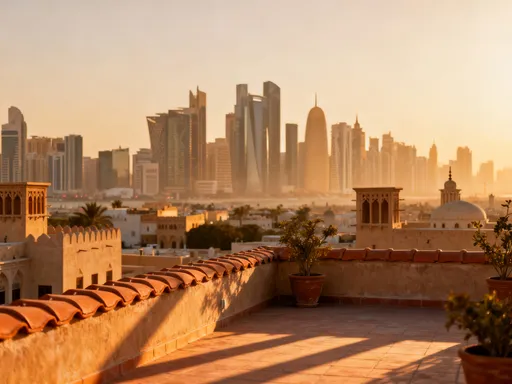
Doha, the capital of Qatar, stands as a striking testament to how tradition and modernity can coexist in architectural harmony. Along the Corniche, minarets rise beside glass towers, and the silhouette of dhow boats drifts below skyscrapers that shimmer like mirages in the desert heat. This juxtaposition is not accidental—it reflects a national vision of progress rooted in cultural identity. As one of the fastest-evolving cities in the Gulf region, Doha has transformed over the past two decades into a global hub of design, culture, and innovation, all visible in its ever-changing skyline.
Viewpoints matter because they offer more than just a photo opportunity—they provide insight into the city’s soul. From above, the rhythm of urban life becomes visible: the flow of traffic along the coastal highway, the clusters of activity around souqs and malls, and the quiet elegance of green spaces carved into an arid landscape. Elevation shifts perception, turning a bustling metropolis into a living map of human ambition and environmental adaptation. For many travelers, capturing this perspective has become a priority, especially with the rise of urban photography as both an art form and a travel ritual.
In recent years, skyline chasing has grown into a quiet trend across Gulf cities, with Doha emerging as a favorite destination for visual storytellers. Unlike more densely packed metropolises, Doha offers open sightlines and dramatic contrasts between land, sea, and sky. Its relatively compact size makes it possible to experience multiple vantage points in a single day, while its investment in public infrastructure—like parks, promenades, and cultural districts—creates accessible opportunities for elevated viewing. Yet, despite these advantages, many visitors still walk away underwhelmed, not because the views aren’t there, but because they’ve missed the nuances of timing, access, and local knowledge.
Iconic Viewpoint: The Corniche and Its Hidden Flaws
The Doha Corniche is often the first stop for anyone seeking a panoramic introduction to the city. Stretching over seven kilometers along the western bay, this waterfront promenade offers sweeping views of the skyline, particularly around the Museum of Islamic Art and the government district. Palm-lined walkways, wide cycling paths, and shaded seating areas make it a popular destination for both locals and tourists. At first glance, it appears to be the perfect place to capture Doha’s essence—open, vibrant, and visually dynamic.
However, the Corniche comes with several hidden flaws that can compromise the quality of the experience. One of the most common issues is the intense midday glare. Between 11 a.m. and 3 p.m., the sun beats directly onto the sea-facing side of the promenade, creating harsh reflections off the water and glass towers. This flat, overexposed lighting washes out colors and eliminates depth in photographs, making even the most impressive buildings look dull. Additionally, the sheer popularity of the Corniche means it can become overcrowded, especially on weekends and holidays, reducing personal space and making it difficult to find an unobstructed angle.
Another overlooked challenge is the presence of visual obstructions. While the central sections near the flagpole and fountain offer clear frontal views, other stretches are partially blocked by trees, lampposts, or temporary installations. Some areas also face inward toward the road rather than outward toward the skyline, leading visitors to believe they’re in a prime location when their line of sight is actually limited. Even the famous crescent-shaped bay, which frames the skyline so beautifully in postcards, can be difficult to photograph fully without stepping into restricted zones or dealing with pedestrian traffic.
To truly appreciate the Corniche, timing is essential. Early morning—between 6:00 and 7:30 a.m.—offers the softest light, minimal crowds, and a serene atmosphere as the city wakes up. Alternatively, sunset, particularly between October and March, delivers warm golden tones that enhance the texture of the buildings and create long shadows across the water. During these windows, the Corniche transforms from a functional walkway into a living canvas of light and motion. For those who plan carefully, it remains one of the most rewarding public viewpoints in the city—provided they avoid the midday pitfalls.
Museum of Islamic Art Park – Beauty with Blind Spots
Perhaps no location in Doha is more iconic for skyline photography than the park surrounding the Museum of Islamic Art. Designed by the legendary architect I.M. Pei, the museum itself rises like a geometric jewel from an artificial island, connected to the mainland by a short causeway. The park leading up to it offers a carefully composed view of the downtown skyline, with the museum in the foreground and the towers of West Bay rising behind it across the bay. This framed perspective has made it a favorite among photographers, postcard designers, and social media travelers alike.
The visual appeal of this spot is undeniable. The symmetry of the composition, the contrast between ancient-inspired architecture and modern high-rises, and the reflection of the skyline on the calm waters of the bay all contribute to its photogenic power. During golden hour, the warm light enhances the stone textures of the museum and gives the glass facades of the towers a glowing, almost ethereal quality. For many, this is the definitive image of Doha—one that captures both its heritage and its aspirations.
Yet, even this celebrated location has its limitations. One of the most significant issues is access. While the park is open to the public, certain angles—particularly those that include both the museum and the full skyline—are only achievable from specific vantage points that can become crowded quickly. During peak hours, especially on weekends, securing a clear shot without other visitors in the frame requires patience or early arrival. Additionally, lighting conditions vary greatly depending on the season and time of day. In summer, the sun sets behind the museum, casting long shadows across the foreground and leaving the skyline in bright backlight, which can challenge camera sensors and reduce detail.
Another growing concern is the presence of temporary construction barriers. As Doha continues to develop its waterfront infrastructure, scaffolding, fencing, and ongoing projects occasionally obstruct parts of the view, particularly along the eastern edge of the park. These disruptions are usually temporary but can be disappointing for travelers on a tight schedule. Moreover, while the park is well-maintained and beautifully landscaped, it lacks elevated platforms. All views are ground-level, which means there’s no vertical dimension to the perspective—limiting creative options for composition.
To overcome these blind spots, a useful strategy is to combine a visit to the park with a short walk to the elevated pedestrian pathway that runs parallel to Salwa Road, just behind the museum. From this higher vantage point, accessible via a ramp near the car park, visitors gain a broader, more layered view of the skyline. The added height introduces depth, allowing both the museum and the towers to be seen in relation to the surrounding urban fabric. This less-photographed spot offers a more dynamic alternative without requiring special access or expense.
Sky Bars and Rooftop Lounges – Glamour vs. Reality
For those seeking elevated views with comfort and ambiance, Doha’s sky bars and rooftop lounges present an attractive option. Located primarily in the West Bay business district and The Pearl-Qatar, these high-floor venues promise stunning panoramas paired with fine dining, craft cocktails, and luxurious seating. Names like Cloud 7, The View Lounge, and rooftop terraces at five-star hotels frequently appear in travel guides and social media feeds, often accompanied by dazzling night shots of the illuminated skyline.
There’s no denying the appeal of sipping a drink 40 floors above the city while watching the lights flicker to life. These venues offer climate-controlled environments, professional service, and often 360-degree views that are impossible to replicate from ground level. For special occasions or romantic evenings, they can provide a memorable backdrop. Some even feature glass railings or open-air sections designed specifically for unobstructed photography.
However, the reality for many visitors doesn’t always match the marketing. One of the most common complaints is the high minimum spend requirement. Most rooftop lounges in Doha enforce strict consumption policies, often requiring guests to spend at least 200 to 300 QAR per person, even if they only want to stay for a short time. For budget-conscious travelers or solo visitors, this can make the experience feel exclusive in the wrong way—more about revenue than hospitality.
Another hurdle is access. Many rooftop venues require advance reservations, especially on weekends or during events like Eid or National Day. Walk-ins are often turned away, and some hotels restrict access to guests only, making it difficult for the general public to enjoy these spaces. Even when entry is granted, the outdoor areas may be limited. Some “rooftop” experiences are actually semi-enclosed terraces with partial views, where large glass walls or structural supports block key angles of the skyline.
When evaluating these venues, it’s important to distinguish between genuine viewpoints and Instagram-driven hype. Some lounges prioritize interior design and music over view quality, placing seating areas away from windows or facing less impressive directions. A few are located on lower floors or in buildings surrounded by taller structures, resulting in narrow sightlines. To make an informed choice, travelers should consult recent guest reviews, check photo tags for real visitor images, and verify whether the venue offers unobstructed outdoor access. Selecting the right spot can mean the difference between a breathtaking evening and a costly disappointment.
Local Secrets: Underrated Spots That Outshine the Classics
Beyond the well-trodden paths of the Corniche and the museum park lie a number of lesser-known vantage points that offer equally stunning, if not better, views of Doha’s skyline. These locations are rarely featured in official guides but are cherished by residents and frequent visitors who value authenticity over convenience. They include public terraces, hotel lobbies with floor-to-ceiling windows, and discreet access points in commercial buildings that provide elevated perspectives without the crowds or price tags.
One such example is the pedestrian bridge connecting the Doha Exhibition and Convention Center (DECC) to the nearby metro station. From its midpoint, the bridge offers a wide-angle view of the southern West Bay skyline, with the sun setting behind the towers during winter months. Because it’s primarily used for transit, few people stop to take photos, making it a quiet and uncrowded option. Similarly, the upper levels of certain multi-story car parks near the Tornado Tower and Al Waab Street provide panoramic views, especially at dusk. While not officially designated as viewpoints, these spaces are publicly accessible and often overlooked.
Another hidden gem is the lobby level of select business hotels that welcome non-guests during daytime hours. Some international chains, particularly those with atrium designs, feature sky bridges or internal balconies several stories above ground. Sitting in a quiet corner with a coffee can offer a surprising sense of elevation and perspective. While these are not outdoor spaces, the expansive glass walls allow for excellent natural light and clear sightlines, especially when the sun is low.
Finding these spots often requires curiosity and a willingness to ask questions. Locals, particularly those who work in hospitality or transportation, are often the best source of information. A polite inquiry at a taxi stand, hotel concierge, or even a mall information desk can yield valuable tips—such as a public rooftop garden in a government building or a quiet viewing platform near a university campus. The key is to approach these spaces respectfully, avoiding restricted areas and following posted rules. With a bit of discretion and local insight, it’s possible to enjoy breathtaking views without spending a single riyal.
Timing, Weather, and Light – The Invisible Pitfalls
Even the most perfectly chosen viewpoint can fall short if the timing and environmental conditions aren’t right. In Doha, two invisible factors—weather and light—play a decisive role in the quality of any skyline experience. The city’s desert climate brings intense sunlight, frequent haze, and seasonal dust storms, all of which can dramatically affect visibility. Understanding these patterns is essential for planning a successful photography outing or sightseeing tour.
From May to September, the sun is at its most aggressive, often creating harsh, flat lighting that reduces contrast and detail in images. Combined with high humidity and airborne particles, this period can result in a milky haze that blurs distant buildings and diminishes the clarity of the skyline. While the views are still impressive, they lack the sharpness and depth achievable in cooler months. The best atmospheric conditions typically occur between October and March, when temperatures are milder, the air is clearer, and the sun sits at a lower angle in the sky.
Within each day, the golden hours—shortly after sunrise and before sunset—offer the most favorable lighting. During these windows, the sun casts warm, directional light that accentuates architectural textures and creates long shadows, adding dimension to photographs. The blue hour, just after sunset, is equally valuable for capturing the city’s transition from daylight to artificial illumination. At this time, the sky retains a soft blue glow while the buildings light up, producing a balanced and dramatic contrast.
To maximize success, travelers should use digital tools to plan ahead. Weather apps that track humidity, visibility, and dust levels can help avoid days with poor air quality. Sun position calculators, available through photography apps or websites, allow users to predict exactly where the sun will rise or set relative to the skyline, ensuring optimal alignment for compositions. Checking the lunar phase can also be useful for night photography, as a bright moon can enhance or interfere with city lighting depending on the desired effect. By treating view planning like a precise activity, visitors can significantly increase their chances of capturing Doha at its most photogenic.
Putting It All Together – A Smarter Way to See Doha
Seeing Doha from above doesn’t have to mean choosing between tourist favorites and hidden gems—it’s possible to create a balanced, personalized itinerary that combines the best of both. A thoughtful approach begins with defining priorities: Is the goal a perfect photograph, a quiet moment of reflection, or a shared family experience? Once the objective is clear, travelers can select viewpoints that align with their needs, schedule, and budget.
For example, a well-planned morning might start at the Museum of Islamic Art Park during sunrise, followed by a walk to the elevated pathway behind it for a higher perspective. Later in the day, a visit to a public terrace or hotel lobby can offer shade and comfort while still providing skyline views. As evening approaches, a reservation at a rooftop lounge with verified outdoor access can cap the day with a luxurious experience—provided the timing coincides with golden hour.
The key to a fulfilling experience is diversity. Relying solely on famous spots risks missing the subtle layers that make Doha unique. Incorporating lesser-known locations adds depth and authenticity to the journey. Equally important is flexibility. Weather changes, construction appears, and access rules evolve. Being prepared to adapt—perhaps swapping a sky bar for a quiet bridge view—ensures that the trip remains enjoyable regardless of obstacles.
Doha’s skyline isn’t just about height or glamour—it’s about perspective. The best views aren’t always the obvious ones, and avoiding common missteps can turn a forgettable stop into a travel highlight. With the right timing, location, and local insight, you don’t just see the city—you understand it.