Lost in the Soul of Dubai – And Found Something Real
You know what I didn’t expect in Dubai? A city that’s not just about skyscrapers and shopping malls, but one pulsing with tradition, warmth, and stories hidden behind golden sands. I went looking for luxury, but stayed for the culture—the smell of spiced tea in old souks, the call to prayer over quiet courtyards, and eyes that held generations of desert wisdom. This is Dubai beyond the brochure. It’s a city where the past isn’t buried beneath glass towers but lives in the rhythm of daily life, in the hands of artisans, the laughter of families sharing meals, and the quiet dignity of those who remember what came before. This journey is not about ticking off landmarks, but about rediscovering what travel can truly mean—connection, humility, and the beauty of being present in a place that has much to say, if only we listen.
Beyond the Glitz: The Dubai No One Talks About
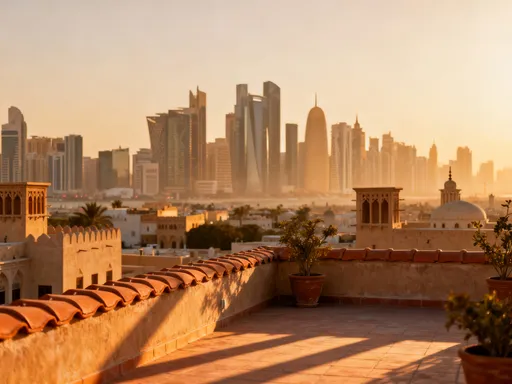
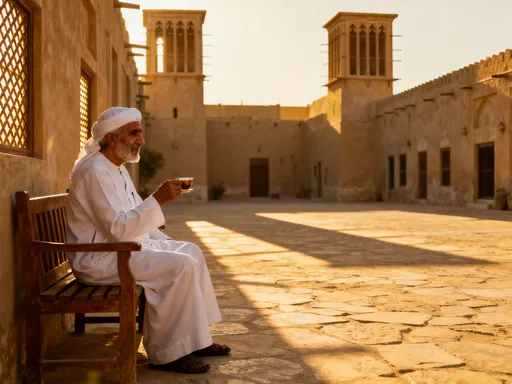
Dubai is often celebrated for its audacious skyline, where the Burj Khalifa pierces the clouds and malls stretch like indoor cities beneath glittering domes. Yet beneath this shimmering surface lies a different Dubai—one of coral-stone walls, wind-towered houses, and alleyways that curve like ancient secrets. In the Al Fahidi Historic District, time slows. Here, the air carries the scent of oud wood and sun-baked stone. The narrow lanes, shaded by barajeel (traditional wind towers), offer relief not just from the heat but from the rush of modern life. This is where Dubai began—not as a global metropolis, but as a settlement of pearl divers, traders, and desert travelers who lived in harmony with the land and sea.
What makes Al Fahidi so powerful is not just its preservation, but its authenticity. These are not replicas built for tourists; they are restored homes and workshops where Emirati heritage is honored and shared. Walking through its courtyards, one feels the weight of history—not as a distant echo, but as a living presence. Children run past doorways carved with geometric patterns, while elders sip tea in shaded corners, speaking a dialect that carries Bedouin roots. The contrast with downtown Dubai is stark, yet intentional. The city’s leadership has made a deliberate effort to balance progress with preservation, ensuring that modernization does not erase memory.
For the thoughtful traveler, this shift in focus—from spectacle to substance—transforms the experience. Instead of chasing photo opportunities at the top of the world’s tallest building, one might pause to watch a craftsman weave a basket from palm fronds, a skill passed down through generations. These moments of stillness, of quiet observation, reveal a deeper truth: that Dubai’s soul is not in its height, but in its depth. The city invites us to look beyond the obvious, to appreciate the quiet dignity of a culture that has adapted without losing its essence.
Stepping Into Al Seef: Where Time Stands Still
Along the banks of Dubai Creek, Al Seef offers a bridge between past and present. More than just a heritage district, it is a carefully woven tapestry of old and new, where traditional architecture meets modern comfort without sacrificing authenticity. The district stretches for over 1.5 kilometers, following the curve of the waterway that once served as Dubai’s lifeline. Here, earthen buildings with arched doorways and wooden balconies line the walkways, their design shaped by centuries of desert living. The scent of frankincense drifts from open-air courtyards, and the gentle lapping of water against wooden dhows adds a soothing rhythm to the atmosphere.
What sets Al Seef apart from other cultural recreations is its attention to detail and lived-in feel. Unlike sterile museum exhibits, this is a place where culture is practiced, not just displayed. Artisans sit at small stalls, shaping pottery on hand-turned wheels or braiding palm leaves into baskets. Children try their hand at traditional games, while visitors sip gahwa—Arabic coffee served in delicate cups—in majlis-style seating areas shaded by woven palm roofs. These experiences are not staged performances but organic expressions of Emirati life.
One of the most memorable moments in Al Seef is the falconry demonstration. Falcons have long held a revered place in Emirati culture, symbols of patience, precision, and nobility. Watching a trained falconer call a bird from the sky, its wings slicing through the evening air, is a humbling experience. The guide explains how falconry was once essential for survival in the desert, where hunting provided food, and how today it remains a cherished tradition, protected by national laws and celebrated in festivals. These demonstrations are not just for show—they are part of a broader effort to keep cultural knowledge alive.
Al Seef also offers a glimpse into traditional Emirati cuisine. Small restaurants serve dishes like harees, a slow-cooked porridge of wheat and meat, and balaleet, sweet vermicelli topped with an omelet—breakfast foods rooted in hospitality and seasonal availability. Dining here feels intimate, as if one has been invited into a family home. The combination of sensory richness, historical accuracy, and cultural engagement makes Al Seef not just a destination, but a doorway into understanding.
The Heartbeat of the Souk: Smells, Sounds, and Secrets
The spice and gold souks of Dubai are often described as sensory explosions, and rightly so. But beyond the vibrant colors and bustling crowds lies something more profound—a living marketplace where culture is exchanged as freely as goods. In the spice souk, the air is thick with the scent of saffron, cardamom, cumin, and dried limes. Sacks of turmeric and sumac spill onto wooden counters, their powders glowing like captured sunlight. Vendors call out in Arabic and English, not with the urgency of sales, but with the warmth of invitation. This is not a bazaar designed for quick transactions; it is a place of conversation, where a simple purchase can unfold into a half-hour exchange of stories, recipes, and family history.
Bartering is part of the ritual, but it is not about winning or losing. It is a dance of respect, where both buyer and seller engage in a mutual performance of courtesy and goodwill. A shopkeeper might offer tea before any price is mentioned, not as a tactic, but as a gesture of hospitality. To refuse would be to miss the point. These interactions are not merely commercial; they are cultural. They reflect the Emirati value of karam, or generosity, where guests are honored and relationships matter more than profit.
The gold souk, with its dazzling displays of necklaces, bangles, and intricate bridal sets, operates on a similar principle. While the glitter is undeniable, the real treasure lies in the craftsmanship and tradition behind each piece. Gold has long been a symbol of prosperity and security in the region, and many families invest in jewelry as both a cultural practice and a financial safeguard. Speaking with a third-generation goldsmith, one learns how designs are inspired by desert patterns, Islamic geometry, and even poetry. Each piece tells a story—not just of beauty, but of identity and continuity.
For the traveler, the key to unlocking the souk’s soul is curiosity. Asking questions—about the origin of a spice, the meaning of a design, the best way to use saffron in rice—opens doors. Vendors respond not with rehearsed answers, but with personal anecdotes and genuine advice. These moments of connection transform shopping from a transaction into a shared human experience. In a world of online purchases and impersonal exchanges, the souk reminds us of the value of presence, patience, and personal touch.
On the Water: Discovering Dubai’s Lifeline, the Creek
Dubai Creek is the city’s original heart. Long before skyscrapers and airports, this natural inlet was the center of trade, migration, and community. Today, a short ride on an abras—a wooden ferry that has carried passengers for generations—offers one of the most meaningful experiences in the city. For just a few dirhams, travelers cross from Deira to Bur Dubai, moving between two worlds in less than ten minutes. The journey is brief, but its impact is lasting.
From the water, the city reveals a different face. On one side, Deira’s skyline is lined with modest buildings, their balconies draped with laundry and potted plants. The fish market bustles with activity—fishermen unload their morning catch, while buyers inspect the day’s haul of kingfish, hammour, and shrimp. The scent of salt and sea is strong, mingling with the cries of seagulls and the calls of vendors. On the other side, Bur Dubai offers a quieter scene: mangroves fringe the banks, and traditional abras dock at wooden wharves, their hulls worn smooth by years of use.
This simple crossing is more than a commute; it is a journey through time. The Creek was once the only way in and out of Dubai, connecting the city to trade routes that stretched to India, East Africa, and beyond. Dhow boats, built by hand without nails, carried pearls, spices, and textiles across the Arabian Gulf. Today, some of these dhows still sail, though their cargo has changed. The sight of one being loaded with modern goods—crates of dates, boxes of electronics—creates a striking image of continuity and change.
For visitors, the Creek offers perspective. It reminds us that Dubai did not spring up overnight, but grew from a resilient community that knew how to adapt. The people who lived here were not just traders, but navigators, storytellers, and custodians of a harsh yet beautiful environment. Taking the abras, one becomes part of that story, if only for a moment. It is a low-cost, high-impact experience—one that requires no tickets, no reservations, just the willingness to slow down and observe.
Food as Culture: Breaking Bread the Emirati Way
In Dubai, food is not just sustenance; it is memory, identity, and hospitality. While the city boasts some of the world’s finest international restaurants, the true essence of Emirati culture can be found in its traditional cuisine. Dishes like machboos—a spiced rice dish with meat or fish—and luqaimat—crispy, syrup-drenched dumplings—carry flavors shaped by the desert, the sea, and centuries of trade. Each ingredient has a story: saffron from Iran, cardamom from India, dried limes from Oman. These are not just spices; they are threads in a cultural tapestry.
One of the most profound ways to experience Emirati food is through a home-hosted iftar during Ramadan. As the sun sets and the call to prayer echoes across the city, families gather to break their fast. The meal begins with dates and water, following the tradition of the Prophet Muhammad, and continues with a spread of soups, salads, and main dishes. The atmosphere is one of gratitude and togetherness. Guests are treated with extraordinary generosity, urged to eat more, to take seconds, to stay longer. This is not just a meal; it is an expression of faith, community, and care.
Even outside of Ramadan, family-run heritage restaurants offer authentic experiences. Places like Al Fanar and Bushra serve dishes that have been passed down through generations. Eating machboos with the right hand—from a shared platter—is not just a cultural practice, but a lesson in humility and connection. There is no cutlery, no barriers—just food, conversation, and the warmth of shared space. The flavors are bold but balanced: the heat of black lime, the warmth of cinnamon, the earthiness of cumin.
What makes Emirati cuisine special is its reflection of resilience. In a land where fresh water is scarce and temperatures soar, food had to be preserved, stretched, and shared. Dried fish, fermented dairy, and slow-cooked stews were not just practical choices—they were acts of survival and creativity. Today, these dishes are celebrated not out of necessity, but out of pride. They remind Emiratis—and those lucky enough to share their table—of where they came from, and what it means to endure with grace.
Meeting the Keepers of Tradition: Stories from Locals
No amount of sightseeing can replace the wisdom of those who live the culture. In Dubai, the true guides are not the tour operators, but the elders, artisans, and young heritage ambassadors who carry forward traditions with quiet pride. Conversations with these individuals reveal a worldview shaped by the desert—where patience, hospitality, and storytelling are not just values, but survival skills.
One afternoon, sitting with an Emirati elder in a shaded courtyard, I heard stories of life before electricity and running water. He spoke of traveling by camel, of reading the stars for navigation, of poetry as a form of entertainment and education. “We had no television,” he said with a smile, “but we had stories that lasted all night.” His words carried a quiet dignity, a reminder that progress does not always mean improvement. What was lost in convenience was sometimes gained in depth.
Young Emiratis, too, are playing a vital role in cultural preservation. Many work as heritage guides in museums and historic districts, not out of obligation, but out of passion. One guide, a university student studying anthropology, explained how she teaches her peers about traditional dress, music, and social customs. “We don’t want to live in the past,” she said, “but we don’t want to forget it either.” Her generation is navigating a delicate balance—embracing technology and global ideas while holding fast to identity and roots.
Artisans are another group keeping traditions alive. A basket weaver in Al Seef demonstrated how palm fronds are split, dried, and woven into functional art. “This is not just a craft,” he said. “It is a language. Each pattern means something—protection, fertility, welcome.” These skills, once common, are now rare. But through workshops and cultural festivals, they are being passed on. The message is clear: culture is not static. It evolves, but only if someone is willing to carry it forward.
Traveling with Meaning: How to Respect and Connect
Engaging with Emirati culture requires more than good intentions; it requires awareness and respect. Dressing modestly—covering shoulders and knees—is not just a rule, but a sign of consideration. In public spaces, especially in traditional neighborhoods, modest attire shows that visitors honor local norms. This is not about restriction, but about reciprocity. When travelers make the effort to adapt, they are often met with even greater openness and warmth.
Learning a few basic Arabic phrases—such as “marhaban” (hello), “shukran” (thank you), and “ma’a salama” (goodbye)—goes a long way. These small gestures signal respect and curiosity. They open doors that might otherwise remain closed. A shopkeeper’s face lights up when greeted in Arabic, not because the words are perfect, but because the effort is genuine.
Understanding social norms is equally important. Public displays of affection, even between spouses, are discouraged. Photography of people, especially women, should always be done with permission. During Ramadan, eating, drinking, or smoking in public during daylight hours is not allowed. These are not arbitrary rules, but expressions of cultural and religious values. Respecting them is not about fear of breaking laws, but about honoring a way of life.
Most importantly, traveling with meaning means listening more than speaking, observing more than performing. It means resisting the urge to treat every moment as a photo opportunity. Authentic connection comes from presence—from sitting in silence, sharing a cup of tea, allowing a conversation to unfold at its own pace. It is in these unscripted moments that travel becomes transformative.
Dubai’s True Luxury Was Never in Gold
The real treasure of Dubai isn’t in its malls or towers—it’s in the quiet moments of connection, the stories shared over tea, the centuries-old winds whispering through courtyard arches. This journey of discovery reveals a city not just built for the future, but deeply anchored in its past. By choosing to look deeper, travelers don’t just see Dubai—they feel it. And in that feeling, they find something rare: authenticity in a world of spectacle. Dubai invites us not to marvel at its height, but to honor its depth. It reminds us that the most luxurious experiences are not bought, but given freely—in a smile, a story, a shared meal. In the end, we are not just visitors. We are guests. And in the warmth of that welcome, we find not just a destination, but a deeper sense of belonging.