You Gotta Hike These Hidden Trails to See Durban’s Wild Side
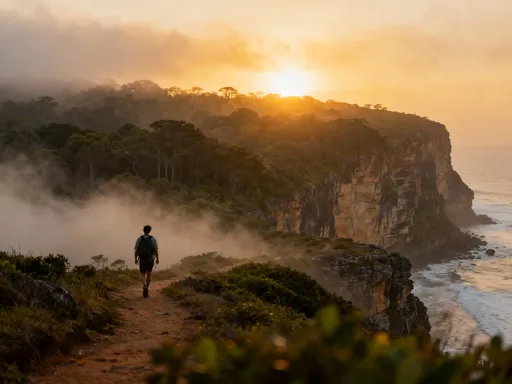
Durban isn’t just beaches and city vibes—its real magic lies in the untouched trails winding through coastal forests and cliff-top paths. I hit the hiking routes around the city and was blown away by how wild and quiet it gets, just minutes from urban life. From misty morning climbs to ocean views that stretch forever, Durban’s natural wonders are right there waiting—no crowds, just pure nature. This is hiking with soul.
Why Durban’s Hiking Scene Surprises Most Travelers
Durban is widely celebrated for its golden beaches, vibrant Indian Quarter, and warm subtropical climate. Yet, beyond the postcard-perfect coastline lies a lesser-known side of the city—one that pulses with raw natural energy. Most visitors never venture beyond the promenade, unaware that within a short drive from the city center, dense coastal forests, dramatic ravines, and cliffside trails unfold like a secret world. This duality defines Durban: a bustling urban hub seamlessly connected to pockets of pristine wilderness.
What makes Durban’s hiking landscape so surprising is its accessibility. While cities like Cape Town are famed for their mountain trails, Durban offers a different kind of adventure—one that blends urban convenience with immediate immersion in nature. Trails often begin at the edge of residential neighborhoods, slipping quickly into silence and shade. The city’s topography, shaped by ancient geological shifts, creates a network of green corridors where indigenous flora thrives and the Indian Ocean sparkles in the distance. These pathways are not tourist traps; they are local treasures, preserved through quiet dedication and community care.
Local conservation efforts have played a crucial role in protecting these natural spaces. Over the past two decades, municipal initiatives and environmental nonprofits have worked to secure land, restore native vegetation, and maintain trail integrity. Projects like the Durban Metropolitan Open Space System (D'MOSS) have been instrumental in safeguarding over 30,000 hectares of ecologically significant land. These efforts ensure that even as the city grows, residents and visitors can still step into untouched landscapes where birdsong replaces traffic noise and the scent of wild jasmine drifts on the breeze.
Top Natural Wonders Accessible by Foot
Hiking in Durban offers more than scenic views—it provides intimate access to diverse ecosystems that are both fragile and flourishing. Along the trails, hikers move through distinct ecological zones, each with its own rhythm and character. Coastal dunes, stabilized by native grasses and succulents, serve as the first line of defense against erosion while hosting rare plant species adapted to salty winds and shifting sands. These dynamic landscapes change with the seasons, revealing new textures and colors with every visit.
Just inland, the terrain gives way to pockets of indigenous coastal forest—dense, shaded canopies where giant milkwood trees stretch skyward and lianas drape like curtains. These forests are biodiversity hotspots, home to more than 200 bird species, including the elusive purple-crested turaco and the emerald-spotted wood dove. The air here is cooler, humid, and rich with the earthy scent of decomposing leaves. Ferns and mosses carpet the forest floor, and the occasional duiker or bushbuck may be spotted darting through the undergrowth.
River valleys cut through the landscape, offering a different kind of beauty. Trails following the Umbilo, Ohlanga, or Mngeni rivers provide peaceful walks alongside flowing water, where kingfishers dive and reed frogs sing at dusk. These waterways are lifelines for both wildlife and people, and their preservation is critical to the region’s ecological health. Along certain routes, hikers are rewarded with panoramic ocean overlooks—cliff-top vantage points where the horizon blurs into an endless blue. These moments of stillness, standing above the crashing waves, are often described as meditative.
What sets Durban’s natural offerings apart from other South African hiking regions is their proximity to urban life and their understated grandeur. Unlike the dramatic peaks of the Drakensberg or the arid beauty of the Karoo, Durban’s trails offer a subtler, more intimate experience. There’s no need for high-altitude acclimatization or multi-day expeditions—just a pair of sturdy shoes and a willingness to wander. The city’s unique location, where subtropical climate meets Indian Ocean coastline, creates conditions for lush, year-round growth, making every season a good time to explore.
Best Hiking Trails for Different Experience Levels
One of the greatest strengths of Durban’s hiking network is its inclusivity. Whether you’re a first-time hiker, a weekend adventurer, or a seasoned trekker, there’s a trail that matches your pace and ambition. The city’s trail system is thoughtfully designed, with clear signage and well-maintained paths that cater to a range of fitness levels and interests.
For families and casual walkers, easy trails offer gentle introductions to the region’s natural beauty. The Kenneth Stainbank Nature Reserve, located just south of the city, features a series of flat, looped paths through open grassland and riverine forest. These routes are fully marked, stroller-friendly in sections, and ideal for birdwatching or a peaceful afternoon walk. Similarly, the Umhlanga Lagoon Nature Trail provides a scenic, low-effort route along wooden boardwalks, with interpretive signs explaining local flora and fauna. These trails are perfect for early mornings or late afternoons when the light is soft and the air is cool.
Intermediate hikers will find plenty of rewarding options that balance effort with elevation gain and scenic payoff. The trails in the Botha’s Hill area, particularly those within the Hilton Nature Reserve, offer moderate climbs through misty forests and open ridgelines. One popular route leads to the summit of Cowie’s Hill, where panoramic views of the Valley of a Thousand Hills unfold. These hikes typically range from 5 to 8 kilometers and take two to three hours to complete. The terrain includes gravel paths, natural footpaths, and occasional rocky steps, making sturdy footwear essential. The sense of accomplishment at the top, with a 360-degree vista of rolling hills and distant towns, is well worth the climb.
For experienced hikers seeking a challenge, the trails in the Inbanjwa and Ntshingwayo reserves deliver. These routes are longer, steeper, and less frequented, offering a true wilderness experience. The Inbanjwa Trail, for example, spans over 12 kilometers with significant elevation changes, winding through deep gorges and along ridge tops with uninterrupted ocean views. These hikes require preparation, navigation skills, and physical endurance. They are best attempted in the cooler months and with a hiking partner. Yet, the solitude, the raw beauty of the landscape, and the sense of being completely removed from urban life make these trails unforgettable.
Planning Your Hike: When to Go and What to Bring
Successful hiking in Durban begins with thoughtful planning. While the city enjoys a mild climate year-round, certain seasons offer more favorable conditions for outdoor exploration. The best time to hike is during the cooler, drier months from May to September. During this period, temperatures are comfortable, humidity is lower, and rainfall is minimal, reducing the risk of slippery trails and insect activity. Early mornings are ideal, especially in summer, when the heat can rise quickly after 10 a.m.
Equally important is knowing what to bring. Proper footwear is non-negotiable—well-fitted hiking shoes or trail runners with good grip will protect your feet on uneven terrain and prevent slips on wet rocks or loose soil. A lightweight backpack should carry at least two liters of water per person, especially on longer hikes where refilling options are limited. Dehydration is a real risk, even on shorter walks, due to the subtropical humidity.
Sun protection is essential. The UV index in Durban can be high, even on overcast days. A wide-brimmed hat, sunglasses, and broad-spectrum sunscreen are must-haves. Lightweight, breathable clothing that covers the arms and legs helps prevent sunburn and offers protection from insects. A small first-aid kit, including blister treatment and antiseptic wipes, should always be part of your pack.
Navigation tools are another key consideration. While many trails are well-marked, carrying a physical map or downloading an offline trail map on your smartphone ensures you won’t get lost. GPS-enabled apps like ViewRanger or Gaia GPS are reliable and widely used by local hikers. Let someone know your planned route and expected return time, especially if you’re hiking alone. Mobile reception can be spotty in remote areas, so a personal locator beacon or satellite messenger is a wise addition for serious trekkers.
Getting There: Transport and Access Points
Accessing Durban’s hiking trails is easier than many expect, thanks to the city’s well-connected road network and growing eco-tourism infrastructure. Most major trailheads are within a 30- to 45-minute drive from the city center, making them ideal for day trips. Popular starting points like the Durban Botanic Gardens, Umgeni River Bird Park, and the Ohlanga Nature Reserve are easily reached by car via the N2 or M4 highways. Clear signage directs visitors to parking areas, trail entrances, and information kiosks.
For those without a vehicle, public transport options are limited but improving. Metrobus routes serve some suburban areas near trail access points, though hikers may need to walk the final stretch. Ride-sharing services and local taxi operators offer another alternative, particularly for groups. Some eco-tourism operators provide guided hiking shuttles that include transportation, a knowledgeable guide, and light refreshments. These services are especially valuable for visitors unfamiliar with the terrain or those seeking a more structured experience.
Parking availability varies by location. In well-maintained reserves like Kenneth Stainbank and Umhlanga Lagoon, designated parking lots are secure and often monitored. In more remote areas, parking may be informal or shared with local residents. It’s advisable to arrive early on weekends, when trail use peaks, to secure a spot. Always lock your vehicle and avoid leaving valuables visible. Many trailheads are located in residential neighborhoods, so hikers are encouraged to be respectful—keeping noise down and sticking to marked paths.
Accessibility is another consideration. While some trails are suitable for visitors with limited mobility—particularly boardwalks and paved pathways—many routes involve steep inclines, uneven surfaces, and natural obstacles. Those with mobility challenges should consult park offices or local hiking clubs for up-to-date information on trail conditions and accessibility options. Community-led initiatives are gradually improving access, but the rugged nature of the terrain means that full universal access remains a work in progress.
Responsible Hiking: Respecting Nature and Local Communities
As more people discover Durban’s hidden trails, the importance of responsible hiking grows. These natural spaces are not only ecologically sensitive but also culturally significant. Practicing Leave No Trace principles is essential to preserving their beauty and integrity. This means packing out all trash, avoiding littering, and refraining from picking plants or disturbing wildlife. Even biodegradable items like fruit peels can disrupt local ecosystems and attract pests.
Hikers should stay on marked trails to prevent soil erosion and protect fragile vegetation. Venturing off-path may seem harmless, but repeated foot traffic can lead to trail widening, habitat fragmentation, and increased runoff. Dogs, if allowed, should be kept on leashes to prevent them from chasing animals or trampling ground-nesting birds. Feeding wildlife, no matter how tempting, disrupts natural behaviors and can lead to dependency on human food.
Engagement with local conservation groups offers a meaningful way to give back. Organizations like the Wildlife and Environment Society of South Africa (WESSA) and local trail maintenance volunteers host regular clean-up days, tree-planting events, and educational workshops. Participating in these activities deepens your connection to the landscape and supports long-term sustainability. Some trails even have donation boxes or adopt-a-path programs where hikers can contribute to upkeep efforts.
Cultural awareness is equally important. Many trails pass near residential areas, traditional lands, or sacred sites. Hikers should be mindful of local customs, avoid trespassing on private property, and respect quiet zones. Speaking politely to residents, yielding the path when needed, and acknowledging the community’s role in stewarding these spaces fosters goodwill and mutual respect. Hiking is not just a personal journey—it’s a shared responsibility.
Why Hiking Transforms Your View of Durban
Hiking through Durban’s hidden trails does more than provide exercise and scenery—it reshapes how you see the city. What begins as a simple walk in nature often becomes a profound shift in perspective. The constant hum of traffic fades, replaced by the rustle of leaves and the distant crash of waves. The mind slows. Thoughts untangle. In these moments, Durban reveals itself not just as a coastal stopover, but as a living, breathing ecosystem where urban life and wild nature coexist in delicate balance.
Many who hike these paths describe a sense of peace they rarely find elsewhere. There’s something deeply grounding about walking beneath ancient trees, breathing air rich with salt and soil, and standing on a cliff edge with the ocean stretching to infinity. These experiences foster a quiet joy, a reconnection to the rhythms of the natural world. For families, it’s a chance to unplug and share wonder. For individuals, it’s an opportunity for reflection and renewal.
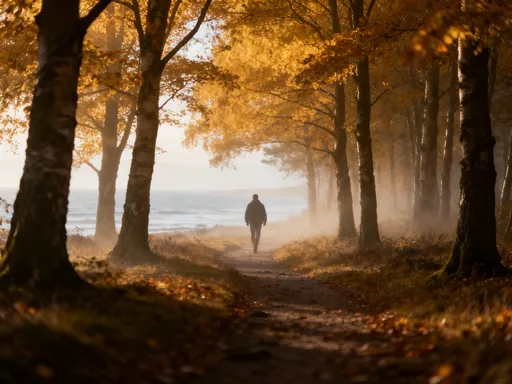
Ultimately, hiking invites us to look beyond the surface. Durban is more than its beaches, markets, and skyline. It is a city with depth, with wild heartbeats pulsing just beneath the surface. To hike here is to witness resilience—of nature, of community, of spirit. It’s a reminder that beauty doesn’t always demand grandeur; sometimes, it’s found in the quiet turn of a forest path, the flash of a sunbird’s wing, or the stillness of a morning fog lifting over the hills.
So lace up your boots, fill your water bottle, and step onto the trail. Let go of expectations. Follow the path where it leads. In Durban’s hidden corners, you’ll find not just views, but meaning. This is where the city’s soul lives—quiet, wild, and waiting.