How the Mediterranean Diet Changed My Recovery Journey Forever
For years, I struggled with slow recovery after workouts and constant fatigue—until I discovered the power of the Mediterranean diet. It wasn’t just about eating more olive oil or fresh veggies; it was a complete shift in how I fueled my body. What started as an experiment became a life-changing habit. I noticed faster healing, better energy, and real improvements in how I felt every day. This is not a miracle cure, but a natural, proven way to support your body’s recovery. Let me walk you through how this simple yet powerful approach transformed my health from the inside out.
The Recovery Struggle: When My Body Stopped Bouncing Back
For over a decade, I considered myself active and health-conscious. I walked daily, attended yoga classes twice a week, and made an effort to stay strong with light resistance training. Yet, by my early 40s, I began to notice something troubling: my body no longer bounced back the way it used to. A simple hike left me sore for days. Stairs became a challenge. Even standing in the kitchen for an hour while preparing dinner made my joints ache. I felt tired all the time, not from lack of sleep, but from a deep, persistent exhaustion that rest didn’t seem to fix.
I tried everything—extra stretching, protein shakes, even over-the-counter recovery supplements. Some offered minor relief, but nothing lasted. I visited my primary care provider, who ran blood tests and found nothing alarming. My thyroid levels were normal. My vitamin D was slightly low, so I started taking a supplement. But still, the fatigue and soreness lingered. I began to wonder if this was just what aging felt like—inevitable, irreversible, and something I’d have to accept.
Then, during a routine check-up, my doctor asked about my diet. I described my typical day: cereal with low-fat milk for breakfast, a sandwich and chips for lunch, maybe grilled chicken with rice at night. She nodded and said, “You’re eating clean, but are you eating for recovery?” That question stuck with me. It wasn’t about calories or weight—it was about nourishment. She suggested I look into the Mediterranean diet, not as a weight-loss plan, but as a way to reduce inflammation and support long-term healing. That conversation was my turning point.
Discovering the Mediterranean Diet: More Than Just a Trend
At first, I associated the Mediterranean diet with vacation meals—plates of pasta, glasses of red wine, and endless bread baskets. I assumed it was indulgent, not therapeutic. But as I read more, I realized how wrong I’d been. The Mediterranean diet isn’t a fad or a set of strict rules. It’s a way of eating rooted in the traditional lifestyles of countries like Greece, Italy, and Spain—places where people consistently live longer, healthier lives with lower rates of chronic disease.
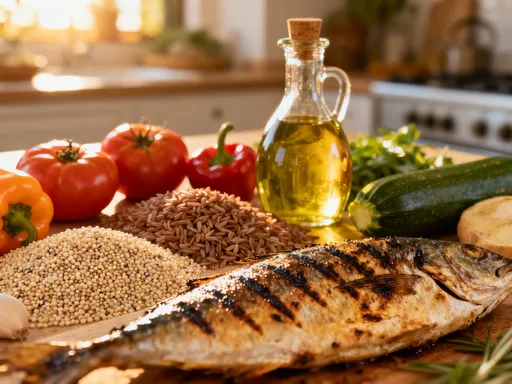
What defines this diet isn’t one magic food, but a pattern. At its core are whole, minimally processed foods: vegetables, fruits, whole grains, legumes, nuts, seeds, and olive oil as the primary fat. Fish and seafood appear regularly, especially fatty fish like salmon and sardines. Poultry, eggs, and dairy are included in moderation. Red meat is rare—perhaps once a month. And while wine is sometimes part of the culture, it’s consumed in small amounts and usually with meals.
What surprised me most was how little emphasis there is on restriction. Unlike many diets that feel punishing or overly technical, the Mediterranean approach is about abundance—filling your plate with colorful, flavorful foods that naturally support health. There’s no calorie counting, no forbidden foods, and no guilt. Instead, it’s a sustainable rhythm of eating that aligns with how humans have eaten for generations. My doctor explained that study after study has linked this way of eating to lower risks of heart disease, improved brain function, and better metabolic health. But what caught my attention was its impact on inflammation—a key factor in slow recovery and chronic fatigue.
Why This Diet Works for Recovery: The Science Behind the Benefits
Recovery isn’t just about rest—it’s a biological process. After physical activity, your muscles undergo microscopic damage. To heal, your body needs nutrients to repair tissue, reduce inflammation, and restore energy. If your diet lacks these building blocks, recovery slows down, soreness lingers, and fatigue builds. The Mediterranean diet provides exactly what the body needs during this process, thanks to its unique combination of anti-inflammatory and antioxidant-rich foods.
Take extra virgin olive oil, the cornerstone of this diet. It’s rich in oleocanthal, a natural compound with effects similar to ibuprofen—minus the side effects. Studies have shown that regular consumption of olive oil can reduce markers of inflammation in the body, which directly supports faster muscle recovery and less joint pain. Similarly, nuts like walnuts and almonds provide healthy fats and vitamin E, both of which protect cells from oxidative stress caused by exercise.
Fatty fish, eaten at least twice a week in the Mediterranean pattern, are high in omega-3 fatty acids. These essential fats play a crucial role in calming the body’s inflammatory response. Research published in the American Journal of Clinical Nutrition found that omega-3s can reduce delayed onset muscle soreness (DOMS) and improve muscle function after intense activity. I started adding grilled salmon or sardines to my weekly meals, and within weeks, I noticed my post-workout stiffness was less severe.
Another key element is the abundance of plant-based foods. Vegetables like spinach, broccoli, and tomatoes are loaded with antioxidants such as vitamin C, beta-carotene, and polyphenols. These compounds neutralize free radicals produced during exercise, minimizing cellular damage. Berries, especially blueberries and strawberries, have been studied for their ability to speed up recovery and improve muscle strength after physical strain. Even the herbs and spices common in this diet—oregano, rosemary, garlic—have anti-inflammatory properties that quietly support healing.
Equally important is the diet’s effect on gut health. A growing body of research shows that a healthy gut microbiome influences everything from immunity to mood to recovery. The fiber in whole grains, legumes, fruits, and vegetables feeds beneficial gut bacteria, which in turn help regulate inflammation. When your gut is balanced, your body is better equipped to repair itself efficiently. I hadn’t realized how much my occasional bloating and digestive discomfort might have been slowing my recovery—until those symptoms began to fade.
Making the Shift: How I Adapted the Diet to My Routine
Changing my eating habits didn’t happen overnight. I didn’t want to feel deprived or overwhelmed, so I took a gradual approach. I started by making one change at a time, building new habits that felt natural and enjoyable. The first step was replacing the butter on my toast with extra virgin olive oil and a sprinkle of sea salt and oregano. It tasted richer, more satisfying, and I didn’t miss the butter at all.
Next, I restructured my lunch. Instead of a sandwich with processed deli meat and white bread, I began packing grain bowls with quinoa, chickpeas, cucumbers, tomatoes, olives, and feta cheese, dressed with lemon and olive oil. I added a piece of fruit and a small handful of almonds. Not only did this meal keep me full for hours, but I also stopped the afternoon energy crash that used to send me searching for a candy bar.
At dinner, I shifted from meat-centered plates to vegetable-forward ones. I started with simple swaps—roasting a tray of seasonal vegetables with olive oil and herbs instead of boiling green beans. I experimented with lentil soups, Greek-style stuffed peppers, and whole wheat pasta with tomato sauce and tuna. I learned to flavor food with garlic, lemon, and fresh herbs instead of relying on salt, which helped lower my blood pressure over time.
Snacking changed too. I replaced chips and cookies with fresh fruit, raw nuts, or yogurt with honey and berries. I kept a bowl of walnuts on the counter and found myself reaching for them instead of the cereal box. Hydration became a priority—I started drinking more water and herbal teas, and limited sugary drinks completely. I also began eating meals more mindfully, sitting at the table without distractions, which helped me tune into my body’s hunger and fullness cues.
Real Results: What Changed After 8 Weeks
By the eighth week, the changes were undeniable. The constant low-level joint pain in my knees and hands had decreased significantly. I could walk up a flight of stairs without pausing. My post-yoga soreness, which used to last two days, now faded within hours. I wasn’t just recovering faster—I was feeling stronger, more resilient.
My energy levels had transformed. Instead of relying on coffee to get through the morning, I woke up feeling rested. The afternoon slump disappeared. I had more stamina for daily tasks—playing with my grandchildren, gardening, even dancing at family gatherings. My sleep improved too. I fell asleep faster and stayed asleep longer, which I later learned is linked to the diet’s positive impact on circadian rhythms and inflammation.
I tracked my progress in a journal, noting how I felt after workouts, how long soreness lasted, and my overall mood. What surprised me most was the emotional shift. I felt calmer, more balanced. I wasn’t obsessing over food or feeling guilty about eating. Instead, I felt empowered—like I was finally giving my body what it needed. My clothes fit better, not because I’d lost a dramatic amount of weight, but because my body composition had improved. I had less bloating, more muscle tone, and a renewed sense of vitality.
My doctor noticed the difference too. At my next check-up, my blood pressure had dropped into the healthy range, and my cholesterol profile had improved. My C-reactive protein level—a marker of inflammation—was significantly lower. She said, “Whatever you’re doing, keep doing it.” That validation meant a lot. This wasn’t just how I felt—it was measurable, real progress.
Beyond Food: Lifestyle Habits That Multiply the Benefits
As I embraced the Mediterranean way of eating, I naturally began adopting other lifestyle habits common in those cultures. I started walking more—not just for exercise, but as a way to connect with my neighborhood, enjoy nature, and clear my mind. I prioritized sleep, aiming for seven to eight hours a night, and created a calming bedtime routine with dim lights and no screens.
One of the most meaningful changes was how I approached meals. In the Mediterranean tradition, eating is a social, mindful experience. I began inviting friends over for simple dinners, sharing stories over a shared platter of food. I ate slowly, savoring each bite, which helped me feel more satisfied with less. I also learned to listen to my body—eating when I was truly hungry and stopping when I was full, not stuffed.
Hydration remained a focus. I carried a water bottle with me and made it a habit to drink a glass first thing in the morning. I limited caffeine and avoided alcohol most days, though I still enjoyed a small glass of red wine with dinner on weekends—just as the Mediterranean pattern suggests. I also became more aware of stress and its impact on recovery. I started practicing gentle breathing exercises and spent time in quiet reflection, which helped lower my cortisol levels and supported overall healing.
All these habits—movement, sleep, mindfulness, connection—worked together with the diet to create a powerful synergy. Nutrition was the foundation, but the full picture included how I lived each day. It wasn’t about perfection, but about consistency and intention.
Why This Isn’t a Quick Fix—But a Lifelong Investment
Two years into this journey, I can say with confidence that the Mediterranean diet is not a short-term solution. It’s a way of life—one that supports not just recovery, but long-term health and well-being. The benefits continue to unfold: my heart health has improved, my memory feels sharper, and I have a steady energy that carries me through busy days.
What I appreciate most is that this approach doesn’t demand perfection. There are days when I eat pizza or skip a walk. But the overall pattern remains. I’ve learned that consistency matters more than flawless execution. Small, daily choices add up over time, creating lasting change.
It’s important to note that while this diet has helped me, it’s not a substitute for medical care. Anyone considering a major dietary change should consult a healthcare provider, especially if managing a chronic condition. This is not about replacing treatment, but about enhancing the body’s natural ability to heal.
The evidence supporting the Mediterranean diet is strong and continues to grow. Organizations like the American Heart Association and the World Health Organization recognize it as one of the healthiest eating patterns for preventing disease and promoting longevity. It’s not about cutting out food groups or following trends—it’s about returning to a simpler, more natural way of eating that honors the body’s needs.
The Mediterranean diet didn’t just help me recover better—it reshaped my entire relationship with food and well-being. It’s not about strict rules or dramatic transformations, but about making smarter, simpler choices every day. By focusing on real, whole foods and a balanced lifestyle, this approach supports the body in ways supplements and shortcuts never could. While individual results vary, the evidence is clear: what we eat deeply impacts how we heal. If you're looking for a natural, sustainable way to boost your recovery and overall health, this might be the most powerful step you take—not today, but for the rest of your life.