How I Tamed My Stress with Simple Moves—No Gym Required
Stress used to own me—racing thoughts, tight shoulders, zero focus. Then I discovered something unexpected: gentle, daily movement changed everything. Not intense workouts, not strict routines, just simple physical habits that calmed my mind as much as my body. This isn’t about fitness goals—it’s about feeling better inside. If you’re overwhelmed and stuck, this real-life approach might be the shift you need.
The Breaking Point: When Emotions Took Over
There was a morning when I couldn’t get out of bed. Not because I was sick, but because the weight of everything pressing down—the unpaid bills, the unanswered emails, the quiet tension at home—felt like a physical force. My chest was tight, my jaw clenched, and my thoughts raced in circles. I wasn’t crying, but I felt on the verge of it. That was the moment I realized my emotions weren’t just in my head. They lived in my body.
For months, I had ignored the signals. The headaches that came every Tuesday. The way my shoulders rose up toward my ears during phone calls. The restless nights where sleep slipped through my fingers like sand. I told myself it was normal—this was just what motherhood, work, and life looked like. But the truth was, I was running on emotional fumes, and my body was sounding the alarm. The breaking point wasn’t dramatic, but it was real: I couldn’t keep pretending that stress was something I could think my way out of.
What changed was a single conversation with a nurse at a routine check-up. When she asked how I was sleeping, I broke down. Not dramatically, but quietly, with tears I didn’t see coming. She listened, then said something that stayed with me: "Your body isn’t betraying you. It’s trying to tell you something." She suggested I pay attention not just to what I was thinking, but to how I was holding myself. That was the first time I considered that movement—gentle, intentional movement—might be the bridge between my overwhelmed mind and my aching body.
Why Movement Works: The Science Behind Body-Mind Calm
It’s easy to think of stress as purely mental—anxiety, worry, fear—but science shows it’s deeply physical. When we feel threatened, even if the threat is a looming deadline or a difficult conversation, the body activates the sympathetic nervous system. This triggers the release of cortisol and adrenaline, hormones designed to help us survive danger. Our heart rate increases, muscles tense, breathing becomes shallow. This is the “fight-or-flight” response, and it’s useful in short bursts.
But when stress becomes chronic, this system stays switched on. Cortisol remains elevated, which can disrupt sleep, weaken immunity, and contribute to feelings of irritability and fatigue. The good news? Movement—any movement—can help reset this system. Even light physical activity signals to the brain that the danger has passed, prompting a shift to the parasympathetic nervous system, the body’s “rest-and-digest” mode.
Studies have shown that regular, low-intensity movement can lower cortisol levels, increase endorphins (the body’s natural mood lifters), and improve blood flow to the brain, enhancing mental clarity. It’s not about sweating or pushing limits. A 2018 review published in the journal Anxiety, Stress, & Coping found that gentle activities like walking or stretching were just as effective as more intense exercise in reducing perceived stress, especially for people already feeling overwhelmed.
Think of it like this: after a dog gets wet or frightened, it shakes. That shake helps reset its nervous system. Humans don’t do that instinctively, but we can recreate the effect through movement. A few shoulder rolls, a slow neck stretch, a walk around the block—these acts aren’t just physical. They’re a way of telling your body, "You’re safe now." And when the body believes that, the mind begins to follow.
The Myth of “Working Out” vs. Moving with Purpose
For years, I associated movement with punishment. If I wasn’t drenched in sweat, if I hadn’t pushed myself to exhaustion, I didn’t count it. I tried rigid fitness plans, downloaded intense workout apps, and bought clothes I never wore. Each failure to stick to the routine only added to my stress. I felt lazy, undisciplined, broken. The irony? The very thing meant to help me feel better was making me feel worse.
The shift came when I stopped thinking of movement as “exercise” and started seeing it as “movement with purpose.” This isn’t about calories burned or steps logged. It’s about reconnecting with your body in a kind, non-judgmental way. It’s about listening, not demanding. A stretch isn’t a chore; it’s a conversation. A walk isn’t a workout; it’s a pause.
Research supports this mindset. A 2020 study in Health Psychology found that people who viewed physical activity as self-care, rather than performance, were more likely to stick with it and reported greater emotional well-being. The pressure to “get fit” often backfires, especially when stress is already high. But when movement is framed as a way to feel calmer, more present, more like yourself, it becomes sustainable.
This doesn’t mean intensity has no place. For some, a vigorous workout is genuinely joyful. But for many—especially those dealing with chronic stress, fatigue, or emotional overload—gentle, mindful movement is not a lesser choice. It’s a smarter one. It meets you where you are, not where you think you should be.
My 3 Go-To Routines: Simple Moves That Actually Help
Over time, I developed three simple practices that became anchors in my day. They take little time, require no equipment, and can be done anywhere. More importantly, they target the physical places where stress likes to hide—my shoulders, jaw, hands, and breath.
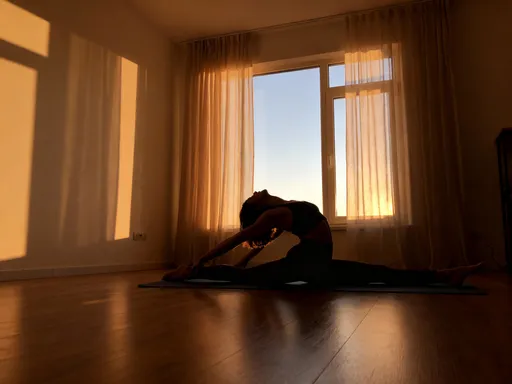
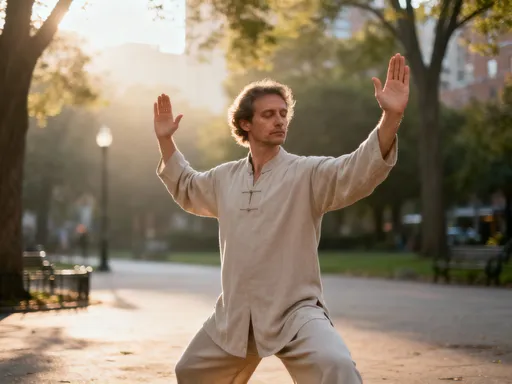
The first is a five-minute morning joint mobility routine. I do it in my pajamas, before checking my phone. I start with neck circles—slow, gentle rolls, feeling the stiffness melt. Then shoulder rolls forward and back, wrists circles, ankle rotations, and a few slow spinal twists while seated. This isn’t about flexibility. It’s about waking up the body with kindness. Within days of starting, I noticed I wasn’t reaching for my neck by mid-morning. My posture improved, and so did my mood.
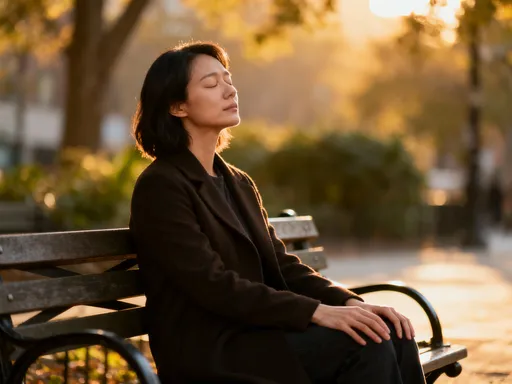
The second is walking with breath rhythm. I take a 10- to 15-minute walk, usually after lunch, and sync my breath to my steps. I inhale for four steps, exhale for six. The longer exhale activates the vagus nerve, which helps calm the nervous system. I don’t rush. I notice the sky, the trees, the way my feet hit the ground. This walk isn’t about distance or speed. It’s a moving meditation. On days I do it, I return with clearer thoughts and fewer emotional spikes.
The third is evening tension release. Before bed, I spend five minutes releasing the day’s grip. I massage my jaw—where I clench unconsciously—and shake out my hands like I’m drying them. I do a seated forward fold, letting my head hang heavy, and press my palms together in front of my chest, elbows wide, to open my shoulders. This routine signals to my body that it’s safe to rest. My sleep improved within a week. I wake up less stiff, less foggy, less on edge.
How to Start—Even When You’re Exhausted
If you’re feeling overwhelmed, the idea of adding one more thing—even something good—can feel impossible. That’s why the key is to start impossibly small. Not 30 minutes. Not 10. Start with two minutes. Two minutes of standing and stretching while the coffee brews. Two minutes of swaying side to side while waiting for the microwave. That’s enough to begin.
Attach movement to a habit you already have. After you brush your teeth, roll your shoulders. While you’re on a call, stand and shift your weight. These micro-moments add up. The goal isn’t perfection. It’s presence. The more you show up, even briefly, the more natural it becomes.
Environment matters, too. I keep a pair of walking shoes by the door so I don’t have to search for them. I leave a small mat in the living room so I can stretch without effort. The fewer barriers, the more likely you are to move. And remember: joy matters more than effort. If you hate stretching, don’t do it. Try swaying, dancing, or simply standing and breathing. The best movement is the one you’ll actually do.
Consistency, not intensity, is the real goal. A 2021 study in Preventive Medicine Reports found that people who engaged in short, frequent bouts of light activity throughout the day reported lower stress and better mood than those who exercised intensely once a week. It’s not about doing more. It’s about doing something, gently, every day.
When to Seek More Support: Knowing the Limits of Movement
Movement is a powerful tool, but it’s not a cure-all. There are times when stress crosses into something deeper—persistent sadness, loss of interest in things you once loved, difficulty getting through the day. These may be signs of depression, anxiety disorders, or chronic burnout, and they deserve professional attention.
Physical activity can support mental health, but it should not replace therapy, counseling, or medical treatment when those are needed. If you find yourself struggling to get out of bed most days, if your emotions feel unmanageable, or if you’re using movement as a way to avoid feelings rather than process them, it may be time to talk to a healthcare provider.
Think of movement as one part of a larger self-care plan. It works best alongside good sleep, balanced nutrition, meaningful connections, and, when necessary, professional support. There’s no shame in asking for help. In fact, it’s one of the bravest and most responsible things you can do for yourself and your family.
Self-care isn’t selfish. But it’s also not a substitute for treatment when treatment is needed. By recognizing the difference, you honor both your strength and your limits.
Building a Life That Moves—Naturally
The most lasting changes aren’t the ones we force. They’re the ones we weave into the fabric of daily life. I no longer think of movement as something I “do.” It’s something I am. I stand while folding laundry. I stretch during TV commercials. I take the stairs, not because I have to, but because it feels good.
I’ve also redefined what counts. Gardening, playing with my kids, even washing dishes with awareness—these are all forms of movement. When we expand our definition, we remove the pressure. We stop seeing stillness as the default and start seeing motion as natural, necessary, and nourishing.
This shift has changed more than my stress levels. It’s changed how I relate to my body. I no longer see it as a machine to be fixed or punished. I see it as a partner, a source of wisdom, a vessel that carries me through life. When I move with care, I’m not trying to change myself. I’m honoring who I already am.
In a world that glorifies busyness and stillness alike—either rushing or scrolling—we’ve forgotten the quiet power of gentle motion. It’s not about performance. It’s about presence. It’s a way of saying, without words, "I’m here. I’m listening. I matter."
Managing emotions doesn’t require grand gestures or dramatic overhauls. It begins with small, intentional acts—a breath, a stretch, a walk. These moments add up, not just in reduced stress, but in a deeper sense of self-trust. You learn that you can comfort yourself. You can regulate yourself. You can care for yourself, in real time, with nothing but your own two hands and your willingness to move.
So if you’re feeling stuck, if your mind is racing and your body is tight, don’t wait for a crisis to act. Begin where you are. Stand up. Roll your shoulders. Take one slow breath. That’s enough to start. And it might be the most important thing you do all day.